FFP2 masks (also known as N95) provide superior protection against COVID-19 by filtering 95% of airborne particles. Yet, like surgical masks, they are designed for single use. U.S. researchers have explored decontamination methods, but none are fully reliable or endorsed.
Global shortages of FFP2/N95 masks have been acute, particularly in France amid supply controversies. These masks excel at protecting the wearer by capturing 95% of inhaled particles, unlike surgical masks, which primarily shield others from droplet projection.
A key question arises: why not reuse them? As reported by Fast Company on March 25, 2020, no proven decontamination method exists. The U.S. Centers for Disease Control and Prevention (CDC) evaluated options, but each has significant drawbacks preventing widespread adoption.
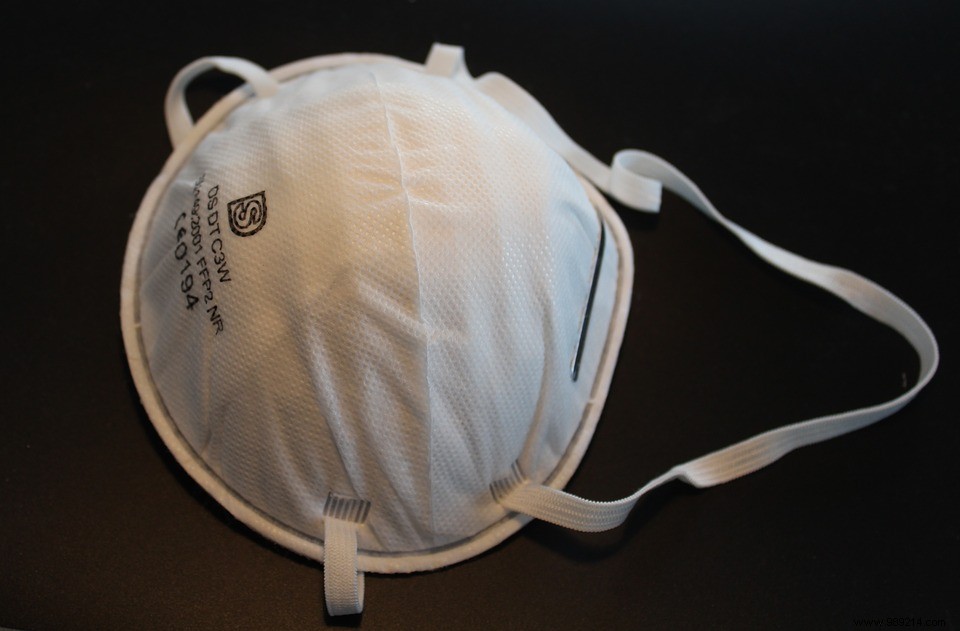
Effective decontamination must fully eliminate viruses from the mask. Incomplete processes could backfire, turning masks into vectors for COVID-19 transmission. Proposed techniques include microwaving to generate heat or using ultraviolet light, alongside chemical treatments like bleach. However, these often damage the mask's filtration integrity.
Precision is critical, requiring lab-like conditions not feasible at home or even in many hospitals. The CDC's tests highlight this: imprecise timing—such as extending microwave exposure from 30 seconds to 2 minutes—could destroy the mask or fail to kill the virus, fostering unsafe practices. Scaling up for hospitals is impractical.
In summary, no method guarantees 100% reliability. Reusing FFP2 masks is strongly discouraged to ensure safety.
