Average human body temperature in the United States has decreased over the past two centuries, aligning with improved healthcare access and fewer infections. But is there a direct connection? Researchers investigated by examining temperatures among Bolivia's Tsimane forager-horticulturalists.
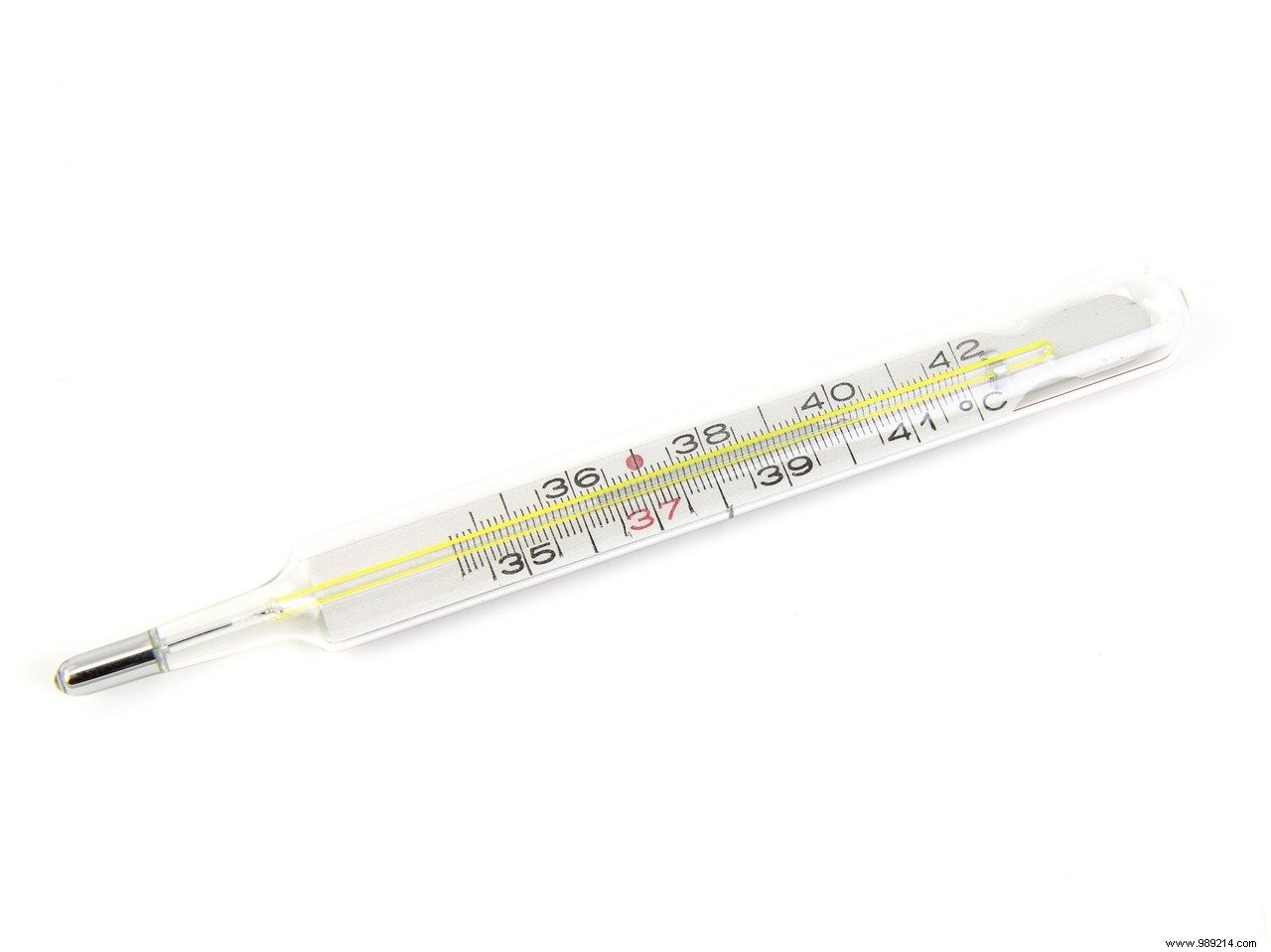
The benchmark of 37°C was set in 1851 by German physician Carl Reinhold August Wunderlich after analyzing 25,000 patients in Leipzig. In reality, body temperature isn't fixed at one value—it fluctuates daily (lower in the morning), rises with age, illness, exercise, or during the afternoon, and varies across menstrual cycles and individuals.
While it remains relatively stable, body temperature can indeed shift.
A study published in eLife by Stanford University researchers tracked U.S. trends across decades. Men born in the 2000s had temperatures 0.59°C lower on average than those born in the early 1800s—a steady 0.03°C drop per decade. Women showed a 0.32°C decline per decade since the 1890s.
Starting from 1850s records, the team considered potential thermometer advancements. "Thermometry was in its infancy in the 19th century," notes lead author Julie Parsonnet. They verified trends within datasets using consistent tools, confirming a persistent decline.
Thus, U.S. body temperatures have fallen for at least 150 years. The key question: why?
Improved hygiene, sanitation, and medicine likely reduce infections that elevate temperature. To test this, UC Santa Barbara anthropologists studied Tsimane from Bolivia's Amazon, who have limited modern amenities.
“Tsimane experience frequent infections—from colds and parasites to tuberculosis,” says lead researcher Michael Gurven.
Analyzing 18,000 observations from nearly 5,500 adults over two decades, temperatures in 2002 averaged 37°C, matching 19th-century U.S. and German data. Yet over 16 years, they dropped nearly 0.018°C per year, now around 36.5°C.
This mirrors the U.S. decline but over just two decades.
Why the drop in both Americans and Tsimane? Recent healthcare improvements reduced Tsimane infections, but Gurven argues that's not the full story. “Modern climate control might ease metabolic demands—air conditioning in summer, heating in winter. Tsimane lack these but now have better clothing and blankets,” he suggests.
These hypotheses await confirmation, leaving the reasons for declining body temperature an open scientific question.
