University of Bristol researchers analyzed aerosols and droplets from professional singers, finding that singing generates no more infectious particles than speaking—at equal volume.
SARS-CoV-2 spreads mainly through airborne aerosols containing droplets that can linger or settle on surfaces. In the PERFORM project, scientists measured emissions from 25 singers across genres like opera, musical theater, pop, jazz, and gospel.
As the BBC reported on August 20, 2020, volunteers sang exercises at varying pitches and volumes in a clean room devoid of background aerosols. Results showed voice volume as the key factor: particle emissions can surge 30 times from low to high levels, more than the activity itself.
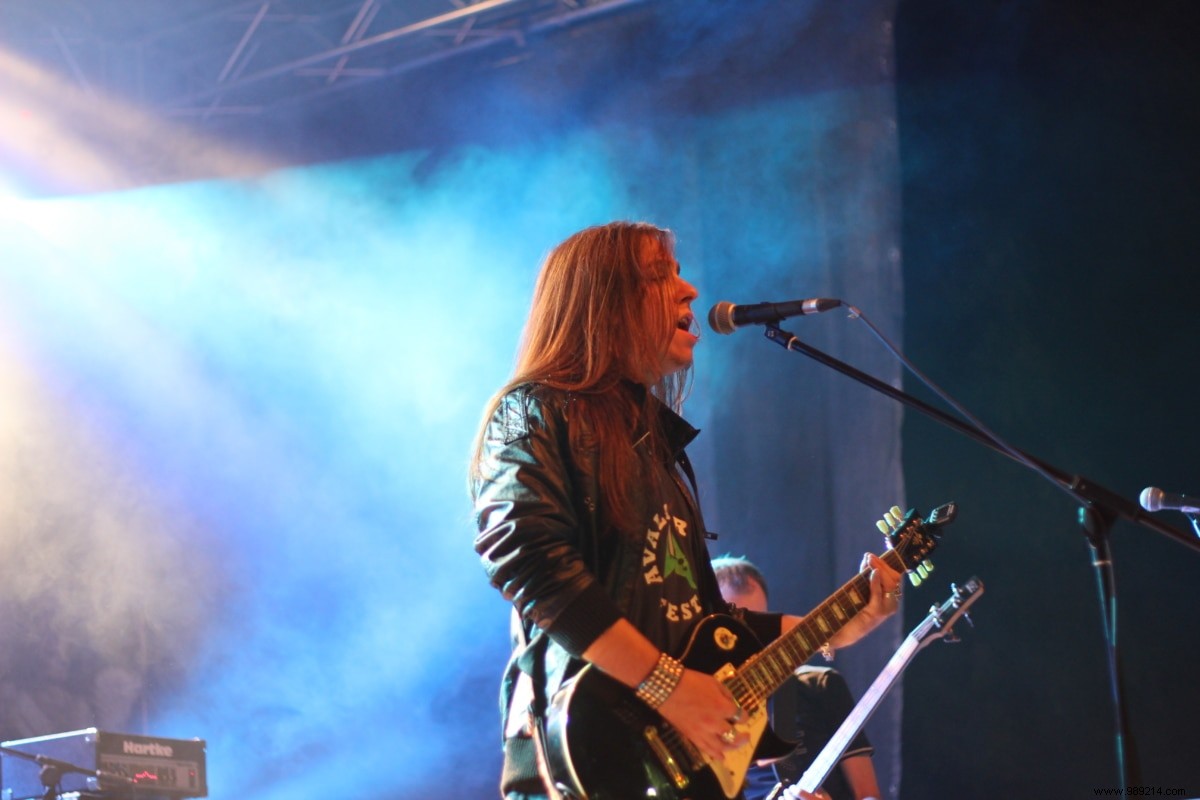
Singing thus carries no extra risk, which could ease venue limits. France currently caps musical events at 5,000 attendees without exemptions. Ventilation matters too—in larger spaces, better airflow disperses aerosols effectively.
Extensive studies on particle spread have shaped aviation rules, like mask requirements. Ansys's June 2020 simulation visualized passenger droplet projections with and without masks, incorporating real aircraft ventilation dynamics.
