Researchers at Australia's Harry Perkins Institute have shown that bee venom rapidly eliminates breast cancer cells, including the most aggressive triple-negative types.
Bee stings are notoriously painful and can trigger life-threatening allergic reactions. Yet, emerging research reveals a surprising potential: bee venom may hold the key to fighting cancer. Scientists at the Harry Perkins Institute of Medical Research in Perth, Australia, have explored this in a compelling study.
Previous studies have highlighted bee venom's antitumor effects against melanoma, non-small cell lung cancer, glioblastoma, and cancers of the ovary, cervix, or pancreas. Here, the team zeroed in on triple-negative breast cancer, an aggressive subtype.
This form affects about 15% of patients and lacks surface markers for targeted therapies. While roughly half respond to chemotherapy, the rest often develop resistance, with a high recidivism rate within two years post-treatment.
The researchers extracted venom from bees in Australia, Ireland, and England, humanely euthanized with CO2. They injected it into tumors in mice genetically engineered for triple-negative breast cancer.
At optimal concentrations, bee venom eradicated up to 100% of cancer cells in under 60 minutes, with minimal impact on healthy cells.
Lead researcher Dr. Ciara Duffy attributes this to melittin, the venom's primary component. Melittin breaches cancer cell membranes, creating pores that trigger cell death. It also disrupts key signaling pathways fueling cancer growth and proliferation.
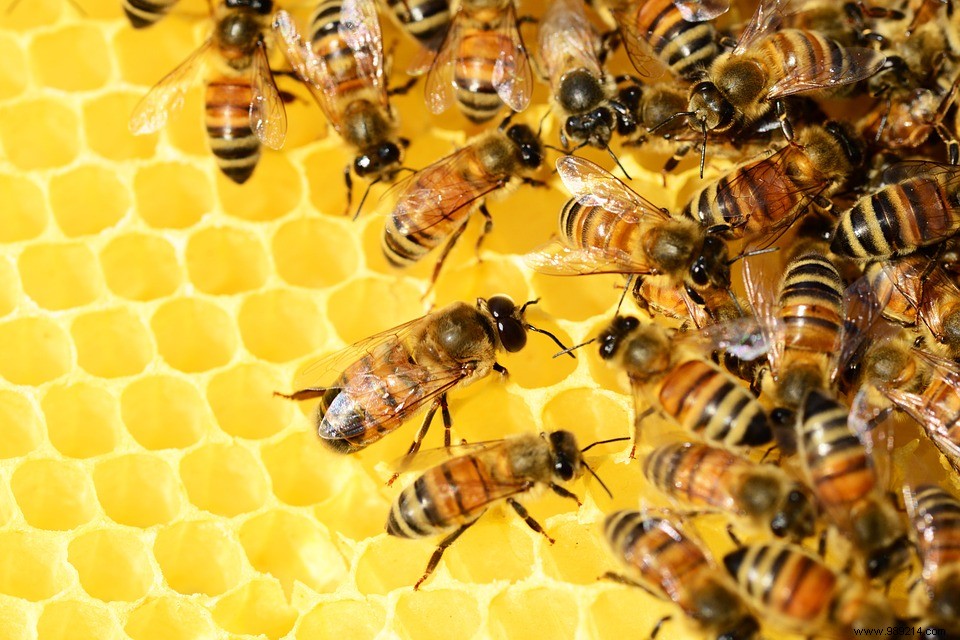
Credits: Pixabay / PollyDot
The team tested bee venom alongside docetaxel, a standard chemotherapy drug. The venom's pores enabled better drug penetration into cancer cells, significantly curbing tumor growth in mice.
Notably, melittin can be synthesized, eliminating the need for bees in future applications. The researchers plan further animal studies before human trials.
