Funded by the European Union, the CompBioMed Center of Excellence is developing virtual human avatars to transform medical care. These personalized digital twins enable precise predictions and optimizations for surgical outcomes, enhancing real-world patient results.
Led by Professor Peter Coveney at University College London’s Centre for Computational Science, this EU-backed project creates virtual physiological twins. Coveney emphasizes their potential to save lives by forecasting surgical results before any procedure begins.
Avatars integrate patient-specific data from X-rays, CT scans, MRIs, genomic profiles, and skeletal structures for a holistic digital replica. This empowers surgeons to prepare meticulously for high-risk operations and test procedures virtually on the individual’s avatar.
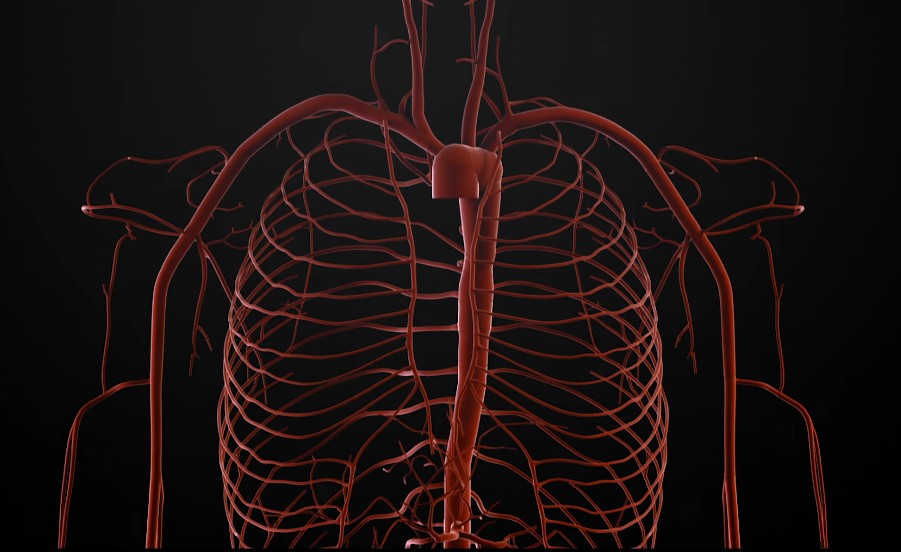
British researchers have built sophisticated programs and algorithms, such as detailed virtual heart models for heart attack or arrhythmia interventions, and red blood cell simulations to detect arterial narrowings.
Replicating the human body demands massive computing power, provided by Germany’s SuperMUC-NG at the Leibniz Supercomputing Centre—the country’s most powerful supercomputer. The initiative targets all diseases, including COVID-19, establishing virtual humans as a foundational pillar of future medicine.
