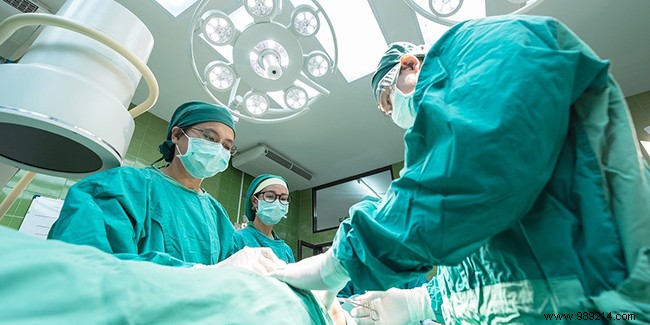
Medical practice carries inherent risks, despite its scientific foundation. Accidents from medical procedures can cause varying degrees of harm to patients. Depending on the damage, victims can assert their rights, gain recognition of their injuries, and pursue compensation through established legal channels.
Victims of medical accidents can claim recognition of their harm under specific conditions. The incident must be deemed serious, meeting defined thresholds for damage assessment.
Qualifying damage includes a permanent impairment to physical or mental integrity (AIPP) exceeding 24%, temporary cessation of professional activities (ATAP) for at least 6 consecutive months (or 6 non-consecutive months over 12 months), or temporary functional deficit (TFD) of 50% or more for at least 6 consecutive months (or 6 non-consecutive months within 12 months).
Exceptionally, victims may qualify if the harm permanently prevents professional activity or severely disrupts living conditions.
This also applies to iatrogenic conditions from prescribed drugs or treatments, or nosocomial infections acquired at least 48 hours after hospitalization begins.
The process varies by damage severity. Victims can pursue recognition and compensation through targeted procedures.
For damage below 24% severity, initiate conciliation with the Regional Commission for Conciliation and Compensation of Medical Accidents (CCI) within 10 years of damage consolidation—the point when the injury stabilizes and becomes permanent.
Submit form Cerfa n° 12245*03 by registered mail with acknowledgment. Include your details, the healthcare professional involved, the procedure causing harm, and its consequences.
The CCI notifies parties and may refer to the hospital or clinic's user relations commission, which upholds user rights and aids in expressing concerns, per the Ministry of Solidarity and Health. Alternatively, the CCI handles it directly or appoints an independent mediator.
For severity above 24%, the CCI pursues amicable settlement, commissioning a medical expert report.
In both conciliation and amicable cases, if compensation is approved, it's funded by the healthcare professional's insurer or the National Office for Compensation of Medical Accidents, Iatrogenic Conditions, and Nosocomial Infections (ONIAM), under Ministry of Health oversight.
If fault is established, the insurer must offer compensation within 4 months. Acceptance triggers payment within 1 month; delays incur interest at twice the legal rate per day.
Rejecting the offer allows court action based on the harm and responsible party.
If no fault is found and severity exceeds 24%, ONIAM compensates per procedure type. As ONIAM notes, "Victims benefit from swift amicable resolution, with court options always available."
