As the hardest-hit nation by COVID-19, the United States faced unique logistical hurdles. Critical health data often arrived not digitally, but via outdated fax machines.
With over 3.8 million cases and around 140,000 deaths as of mid-2020, the U.S. bore the world's heaviest COVID-19 burden. A New York Times article from July 13, 2020, highlighted logistics failures slowing outbreak responses nationwide. In Harris County, Texas—home to 40,000 cases—public health officials received test results by fax, generating hundreds of paper pages daily. Dr. Umair Shah, the department's executive director, described a fax machine endlessly churning out sheets.
Some physicians even faxed results straight to Dr. Shah's personal line, while others delivered envelopes by hand. Nearby Travis County (Austin) processed up to 1,000 faxes daily.
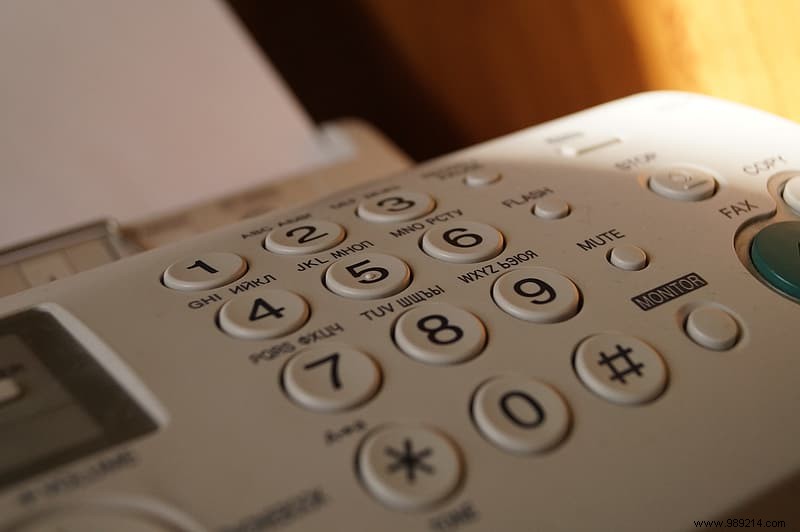
The U.S. ramped up to 500,000 tests daily—a positive step—but result transmission lagged. The New York Times described a "fragmented health system" blending old and new technologies with data standards inadequate for epidemiologists.
Nationwide, about 80% of results were duplicated or misdirected. Many lacked key details like patient addresses or phone numbers.
Diverse providers—hospitals, clinics, labs—created chaos despite standards. Tracking cases and contact tracing—identifying those exposed to infected individuals—proved nearly impossible.
In Washington State's Department of Health (Seattle), 25 National Guard members were deployed to manually input non-digital data.
