The United States has already invested billions in COVID-19 vaccines. Now, the government is prioritizing antiviral treatments. With promising early results, the first therapies could be available by late 2021.
Efforts to develop treatments against SARS-CoV-2 aren't new. In April 2020, Madagascar claimed success with an artemisia-based remedy, despite WHO cautions—a story that faded quickly. Fast-forward to June 17, 2021: The U.S. Department of Health and Human Services (HHS) announced a major push, as reported by the New York Times.
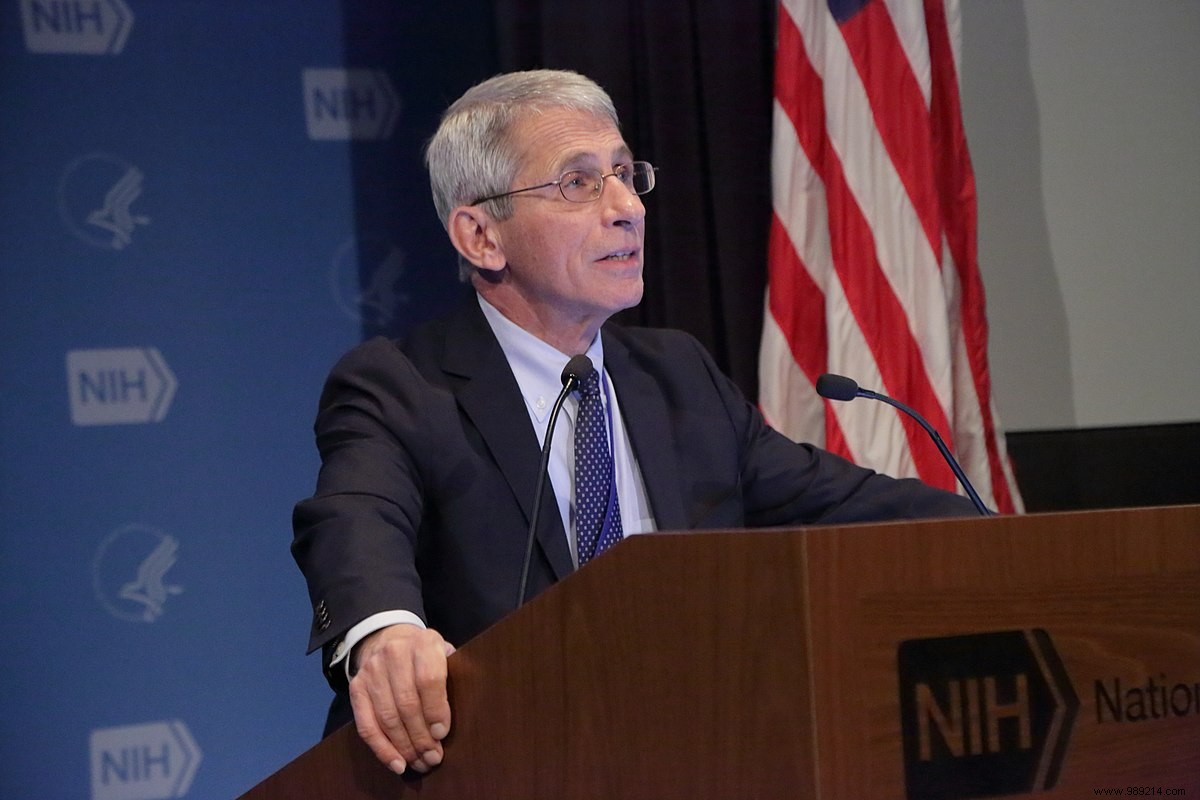
HHS plans to expedite ongoing clinical trials, some showing encouraging outcomes. Leading immunologist Anthony Fauci, director of the National Institute of Allergy and Infectious Diseases and key figure in the U.S. pandemic response, backs the initiative, lending strong credibility.
The prior Trump administration emphasized vaccines, but antivirals offer broader protection against SARS-CoV-2 and future threats. This $3 billion program supplements the $18 billion for vaccines, targeting availability by late 2021.
Experts agree: Early intervention is key, when the virus replicates unchecked. The goal is a replication-blocking drug to halt progression. While remdesivir yielded mixed results, hope rests on Molnupiravir, developed in 2019 by Emory University researchers in Atlanta.
This oral pill has proven effective against influenza and Venezuelan equine encephalitis. Initial SARS-CoV-2 trials are promising, with larger studies set for early autumn. Positive data could lead to FDA approval, enabling millions of doses for rapid production.
