Gut bacteria and sleep connections are well-established in adults, but a groundbreaking Swiss study reveals similar links in infants starting at three months old.
Research on the gut microbiome continues to uncover fascinating insights. A December 23, 2021, announcement from the Swiss National Science Foundation highlighted how gut bacteria influence infants' sleep. Experts Salome Kurth and Sarah Schoch from the Universities of Fribourg and Zurich found that babies with more daytime sleep exhibit lower gut microbiota diversity. Meanwhile, nighttime sleep fragmentation correlates with specific bacterial compositions. This marks the first such discovery in infants, previously observed only in adults.
The research also tracks parallel developments in gut bacteria and brain activity during the first year of life. Infants with distinct microbiomes show variations in nighttime brain activity, with the strongest associations around three months—a critical developmental window.
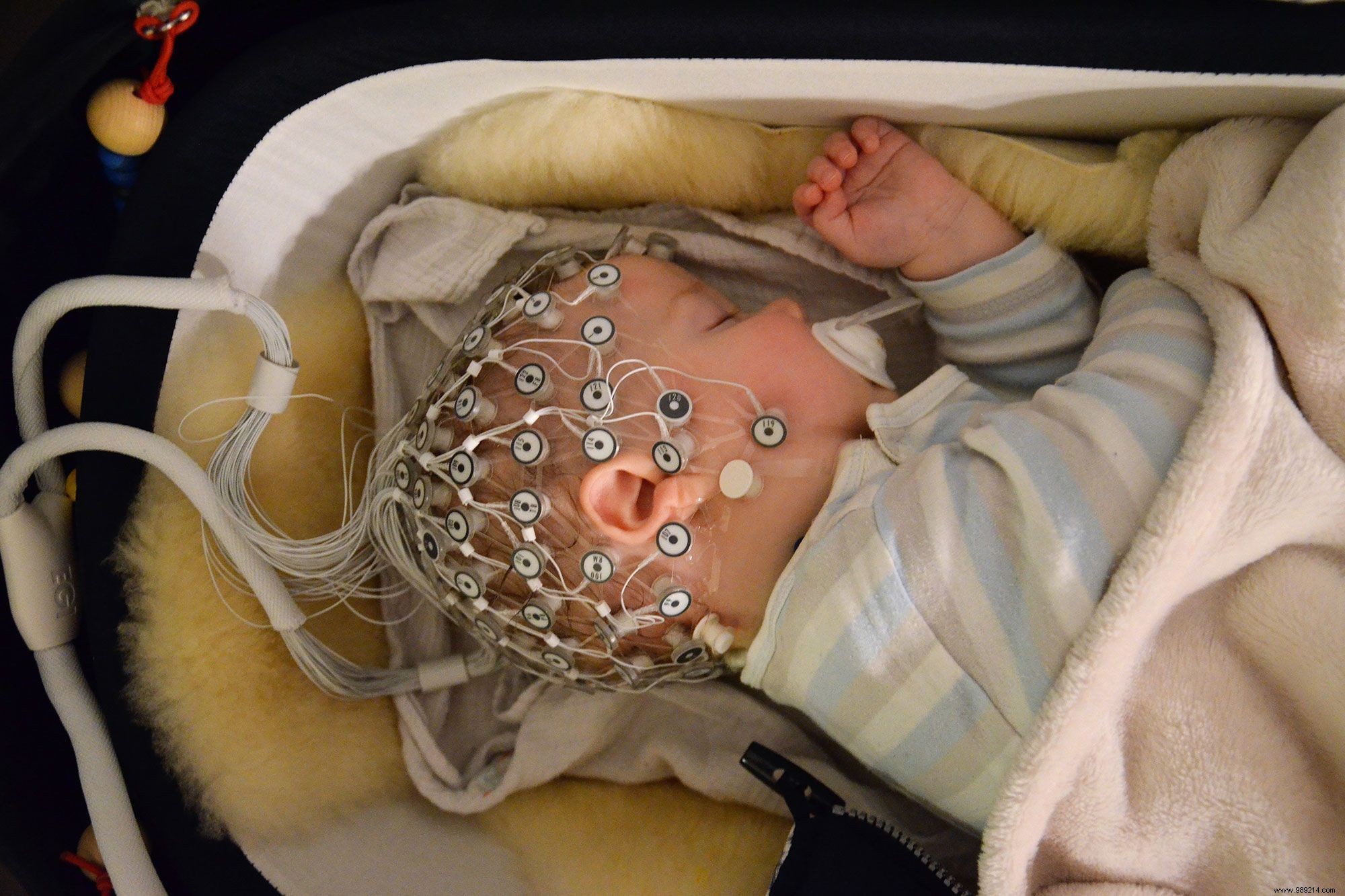
Involving 162 infants monitored at home at 3, 6, and 12 months via ankle motion sensors over 10 days, parents kept detailed sleep and feeding diaries. Stool samples analyzed microbiota, while high-density electroencephalograms recorded overnight sleep in about 30 three-month-olds.
Lead researchers see strong potential: By addressing gut microbiota diversity, interventions like targeted nutrition and parental support could enhance sleep quality and development. Further clinical trials are needed to validate and expand these findings into practical therapies.
