A landmark study spanning nearly a dozen countries has uncovered a new HIV variant in over 100 patients. This strain is more transmissible and aggressive, accelerating disease progression significantly.
HIV, the retrovirus behind AIDS, continues to challenge global health efforts. In September 2021, Johnson & Johnson's experimental HIV vaccine failed in a phase 2 trial in Africa. Months earlier, Moderna launched a phase 1 mRNA vaccine trial.
On February 3, 2022, researchers from the University of Oxford published findings in Science, revealing a new HIV variant dubbed VB. Analyzing over 7,000 samples from nine countries, they detected it in 109 patients. VB is more contagious and severe than prior strains, yet current antiretroviral therapies remain effective.
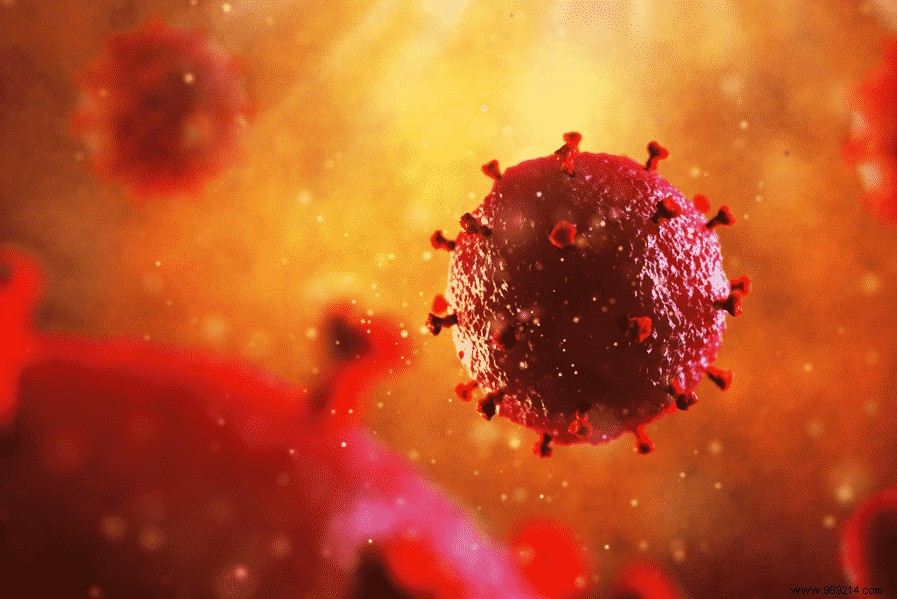
VB stands out with distinct traits: infected individuals show viral loads 3.5 to 5.5 times higher, alongside rapid CD4 cell decline. This heightens AIDS risk and shortens onset to about nine months, versus the typical two to three years.
Genetic analysis revealed extensive mutations. VB likely emerged in the Netherlands during the 1980s-1990s, spreading quickly in the 2000s until widespread antiretroviral use curbed it.
Lead author Chris Wymant notes that new HIV variants aren't rare, but one with such heightened virulence is. Further research is essential to understand VB's virulence and transmissibility.
