For years, researchers at Columbia University have developed advanced ultraviolet (UV) lamp systems to eliminate dangerous viruses in public venues. These UV-C lamps are already proven in hospitals and food processing facilities.
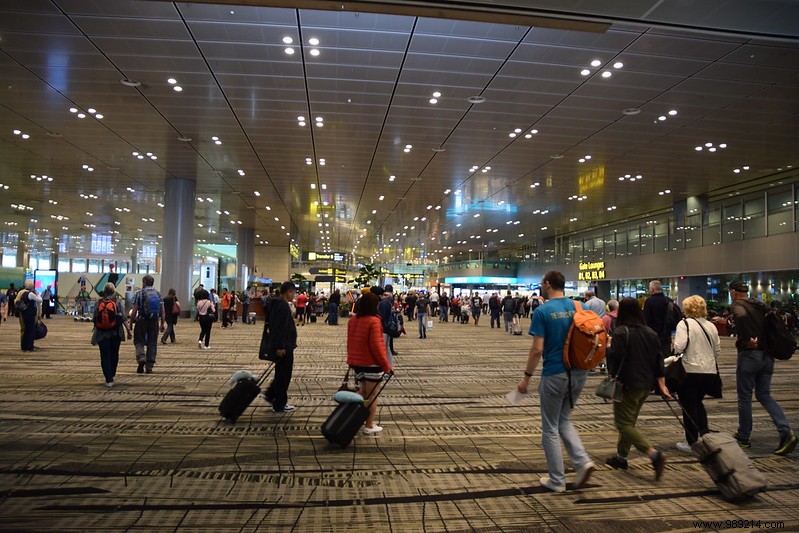
Researchers propose deploying ultraviolet lamps in schools, train stations, and airports to neutralize viruses. In a April 21, 2020 press release, Columbia University experts detailed years of work on this technology. While former President Trump referenced UV rays awkwardly in relation to COVID-19, evidence shows UV-C lamps—short-wavelength models—effectively destroy germs. However, these rays pose risks to eyes and skin, limiting use to unoccupied areas.
Such lamps are standard in hospitals and food industries. New York subway officials, inspired by China's approach, plan nighttime UV-C disinfection after closing.
Columbia's team is pioneering "far" UV-C at 222 nanometers, aiming to prove it's as effective as traditional UV-C but safe for human eyes and skin. Success could enable continuous use in crowded public spaces.
With COVID-19 heightening fears of transmission in schools, stations, and airports, this technology could expand to workplaces and beyond as economies reopen.
Since 2013, Columbia scientists have tested deep UV-C against drug-resistant bacteria, then viruses like seasonal flu. Amid COVID-19, they're confirming it kills the virus on surfaces within minutes, with airborne tests next.
Safety studies expose mice to 20 times the projected public intensity. After 40 weeks of a planned 60-week trial, no skin or eye damage is observed, building confidence in human-safe deployment.
