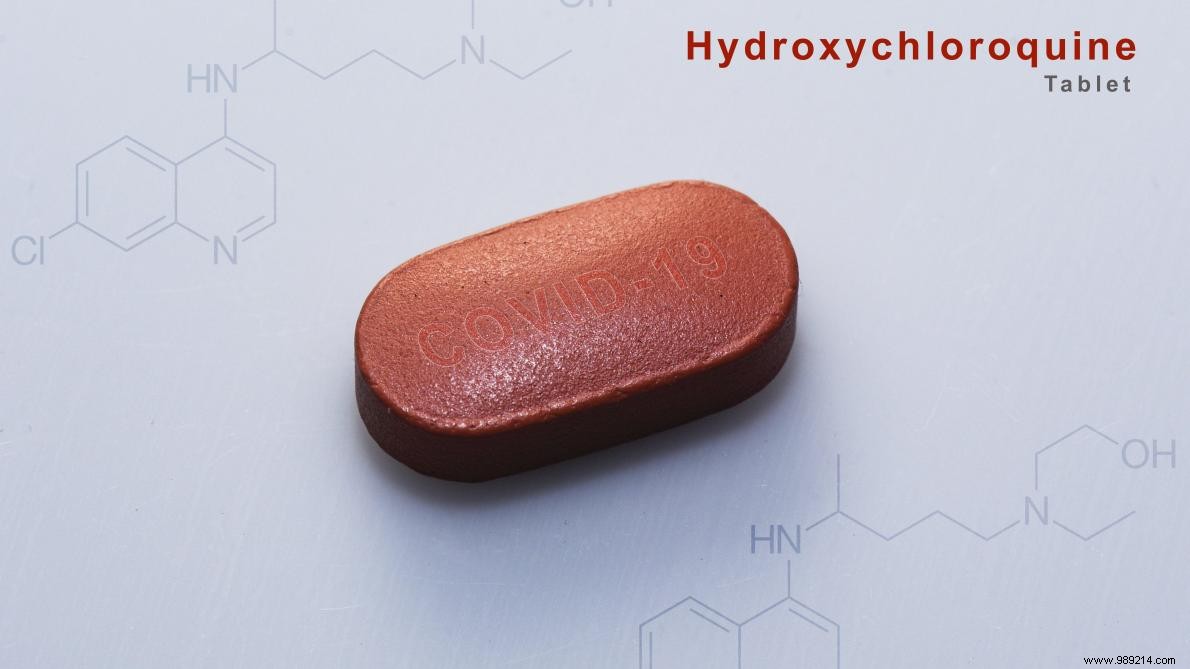
Two recent studies reveal hydroxychloroquine provides no benefits in treating COVID-19, even in severe or milder cases.
Chloroquine and its derivative hydroxychloroquine—drugs long used for malaria and autoimmune conditions—gained attention as potential COVID-19 therapies due to robust antiviral activity against SARS-CoV-2 in lab tests and early reports. However, these haven't led to proven clinical gains. Two new studies, published in the BMJ, underscore this lack of efficacy.
In a French study of 181 hospitalized adults with COVID-19 pneumonia requiring oxygen, 84 received hydroxychloroquine within two days of admission, while 97 did not.
By day 21, 76% of treated patients needed intensive care, compared to 75% in the untreated group. Survival rates were 89% and 91%, respectively. In short, hydroxychloroquine made no difference in ICU admissions or mortality.
“Hydroxychloroquine has received worldwide attention as a potential treatment for Covid-19 after positive results from small studies. However, the results of this study do not support its use in patients admitted to hospital with Covid-19 who require oxygen,” conclude researchers from Paris-area hospitals.
A Chinese study followed 150 hospitalized adults with mild to moderate COVID-19. Half received hydroxychloroquine for four weeks; the other half did not. The treatment had no impact on viral clearance after four weeks.
Notably, 30% of treated patients experienced side effects—mostly diarrhea—compared to just 9% in the untreated group.
“Taken together, these results do not support the use of hydroxychloroquine as a routine treatment for patients with Covid-19,” states the BMJ in a press release.
Source: AFP
