Just days ago, authorities in Harbin imposed a full quarantine on the city after a surge in COVID-19 cases linked to Chinese nationals returning from Russia. Local virologists highlight emerging virus traits that raise alarms, even as China eases back into normal routines.
Home to over 10 million people, Harbin sits in China's far northeast as the capital of Heilongjiang province. State media Xinhua reports 8 new imported cases there, part of 384 imported infections out of 921 in the province since the outbreak began. These cases largely involve Chinese citizens returning from Russia. More than 2,000 people are under strict surveillance, and over 200 remain hospitalized under observation.
The city is now locked down for one month, with no entry allowed from outside. The same measures apply to Suifenhe, a border town of 50,000 near Russia's Vladivostok—a known entry point. Officials are even offering financial rewards for tips on illegal border crossings.
This drastic step underscores the stakes: northeastern China's Liaoning, Jilin, and Heilongjiang provinces are home to some 120 million people.
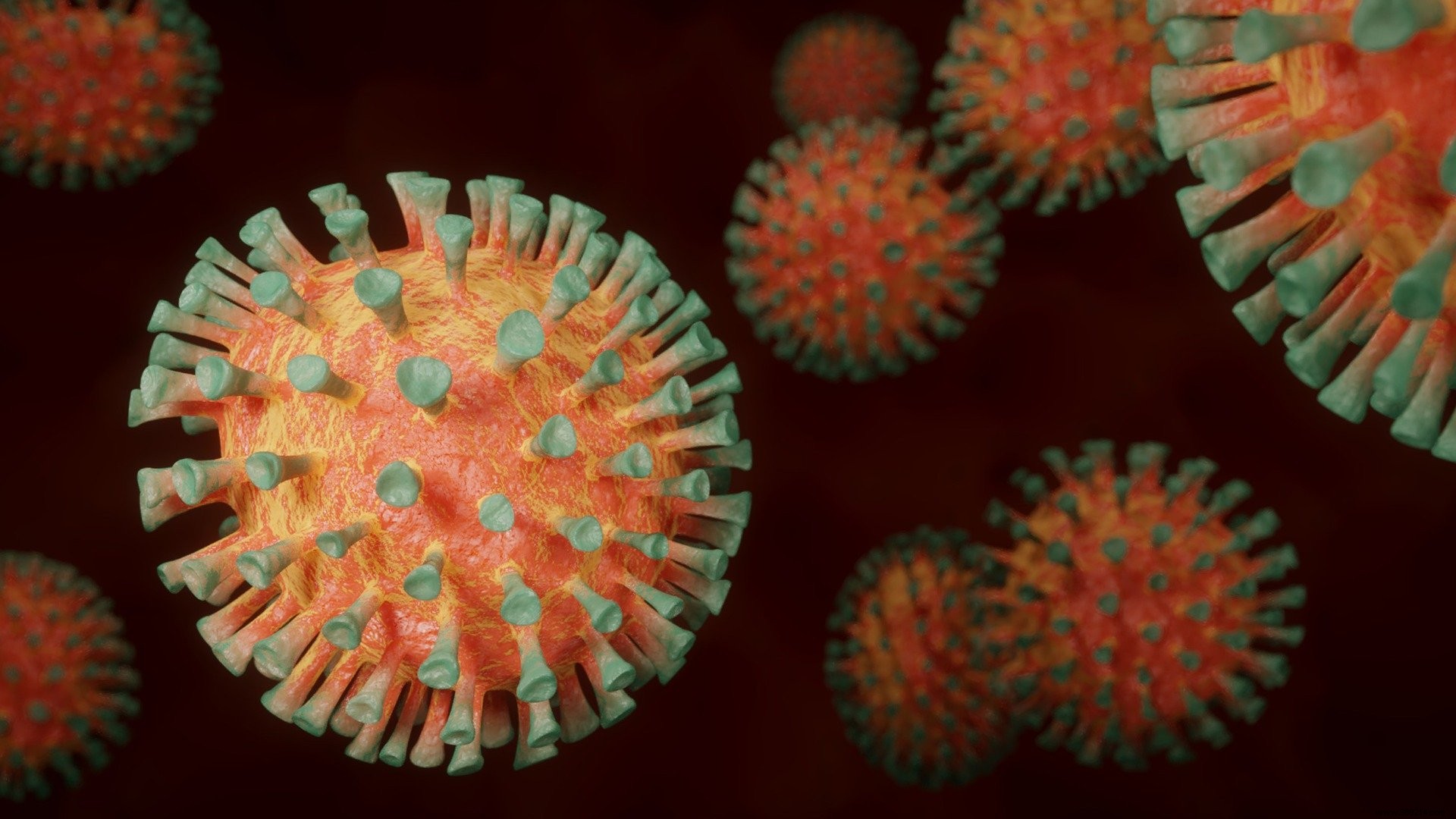
Yang Zhanqiu, virologist at China's Center for Epidemic Control and Prevention, warns that this wave shows troubling developments. The virus may now be harder to detect, though specifics on a potential new strain remain unclear. Russia's reported 62,773 cases and 555 deaths only heighten Beijing's concerns.
With most activities resumed—public transport nearing full capacity in cities and restaurants reopening—China faces real risks of a second wave. Late March brought talk of silent spread from asymptomatic carriers, and studies continue to gauge this threat.
