Since France's COVID-19 lockdown began, dedicated wastewater treatment plant employees have continued their critical work without fail. Yet, a recent survey highlights severe challenges, including a lack of protective masks and insufficient information on contamination risks.
Wastewater treatment is undeniably a vital sector, ensuring access to essential drinking water. A survey published by Reporterre on April 20, 2020, details the tough realities faced by these workers amid nationwide confinement. While most people stayed home, station agents and technicians reported for duty, grappling with a profound lack of guidance on COVID-19 contamination risks.
COVID-19 has been detected in stool samples, which flow into France's 21,474 wastewater treatment plants. However, the virus's survivability in wastewater remains unknown, with no studies available on potential transmission risks to workers.
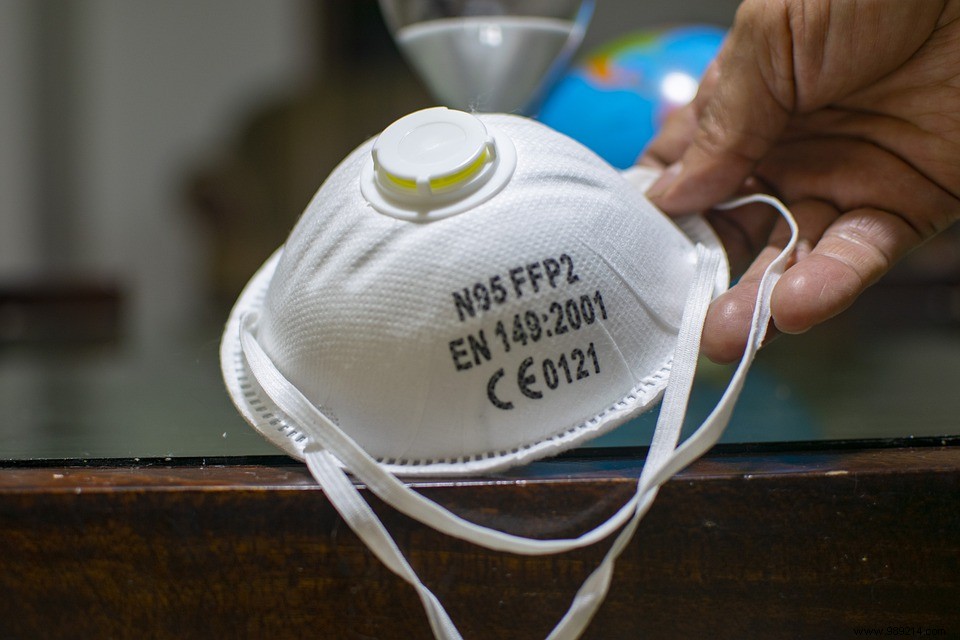
Facility managers issued email directives, urging minimal human contact and reduced maintenance, alongside the use of protective gear like FFP2 masks. Yet, these masks have been nearly impossible to procure. In Colmar, for instance, the local plant has awaited its FFP2 order for over a month, forcing staff to rely on expired masks from the 2009 H1N1 flu pandemic. Many others face a complete absence of masks.
These workers were already accustomed to heightened exposure risks, with sanitation staff routinely encountering respiratory illnesses, flu-like symptoms, and gastrointestinal issues from microorganisms in wastewater. The added uncertainty of COVID-19 has only intensified their challenges.
Compounding these issues, wastewater now passes through screen filters more frequently clogged by wipes, whose usage has surged during confinement. Cleaning has shifted from every two weeks to weekly.
This elevates contamination risks further, as workers must remove their overly thick gloves to extract wipes from filters. Despite public awareness campaigns, many continue flushing wipes down toilets, frustrating these essential professionals.
