The COVID-19 pandemic has fueled a surge of misinformation on social networks, particularly around protective masks and vaccines. Anti-vaccine groups have launched aggressive campaigns amid this crisis.
In France, masks are now mandatory in enclosed public spaces, a proven barrier measure backed by extensive research to curb coronavirus transmission. Despite this, social media users persist in sharing false claims to discourage mask use.
These myths take many forms. One particularly baseless claim warns of hypoxia (oxygen deprivation) from prolonged mask-wearing, with some posts advising removal every 10 minutes for better breathing. This lacks any scientific foundation, as masks are designed to allow oxygen passage while filtering particles.
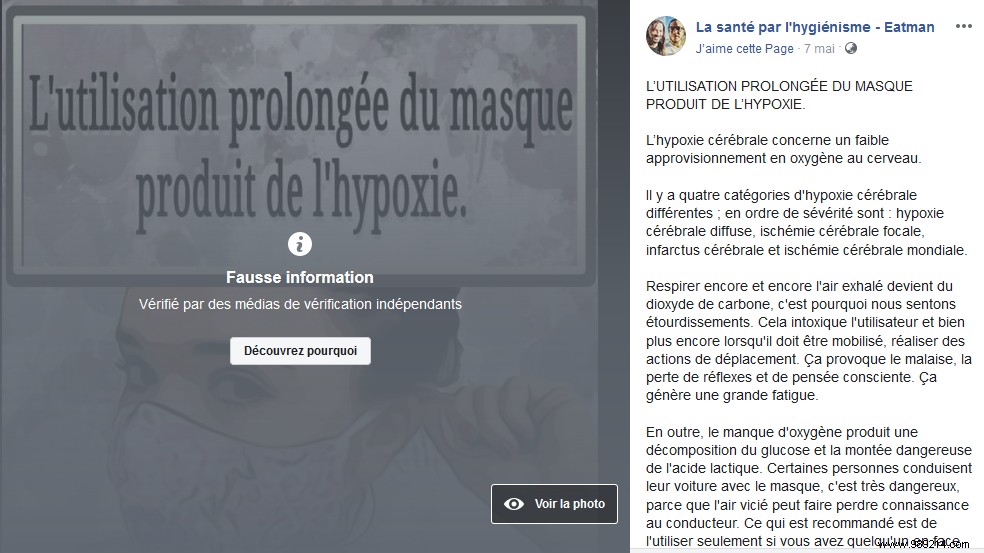
Other common falsehoods include assertions that masks cause carbon dioxide poisoning or serve as virus breeding grounds. Perhaps the most misguided is the idea that masks let viruses through and are thus ineffective—a claim contradicted by rigorous studies from health authorities worldwide.
Misinformation doesn't stop at masks; it also undermines vaccine development efforts. Anti-vaccine activists, long active online, have seized the COVID-19 crisis as a prime opportunity to amplify their message. A U.S. study published in Nature on May 13, 2020, examined online vaccine debates during the 2019 measles outbreak.
Researchers reviewed content from about 1,300 Facebook pages reaching 85 million users globally. Pro-vaccine pages numbered 124 with 6.9 million followers, while 317 anti-vaccine pages had 4.2 million members. Notably, some anti-vaccine groups saw memberships surge by 300% from February to October 2019.
The COVID-19 pandemic provides fresh ground for these groups, who blend concerns over side effects, conspiracy theories, and alternative medicine promotions in their online campaigns.
