As concerns grow over the environmental impact of disposable surgical masks during the COVID-19 pandemic, a French innovation offers hope. Essential for curbing SARS-CoV-2 spread, these masks have raised alarms about pollution—but now, a Marseille-based company has launched a fully biodegradable and compostable alternative.
From the pandemic's early days, experts warned about the fallout from billions of single-use masks made from polypropylene. Today, the scale is staggering: 129 billion masks discarded monthly—three million per minute. The United Nations reports that 75% may end up in nature, taking over 400 years to break down while releasing microparticles that pollute water and air.
In response, Hateia, a Marseille innovator with roots in high-end swimwear, has developed a surgical mask that meets the EN13432 standard from the European Committee for Standardization (CEN, 2002). This certification confirms its biodegradability and compostability.
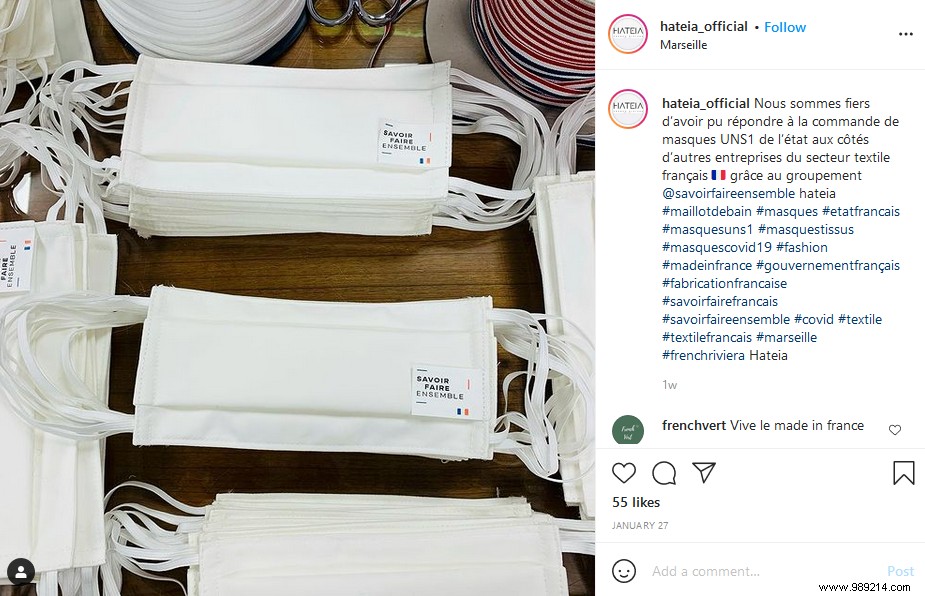
Hateia crafted proprietary biopolymers called HatBiotech for the mask. Elastics come from rubber trees, packaging from recycled kraft paper, and inks from soy-based vegetable sources. While the filter composition remains a trade secret, the result is a Type 2R mask filtering up to 98%—suitable for hospitals, excluding operating rooms.
Now available in pharmacies and to businesses, this mask degrades in just two months under typical environmental conditions (varying by humidity and temperature)—a fraction of the 400+ years for conventional masks. Hateia, formerly known for Miss France swimwear and fabric masks (now cautioned against by health authorities), brings proven manufacturing expertise to this critical need.
