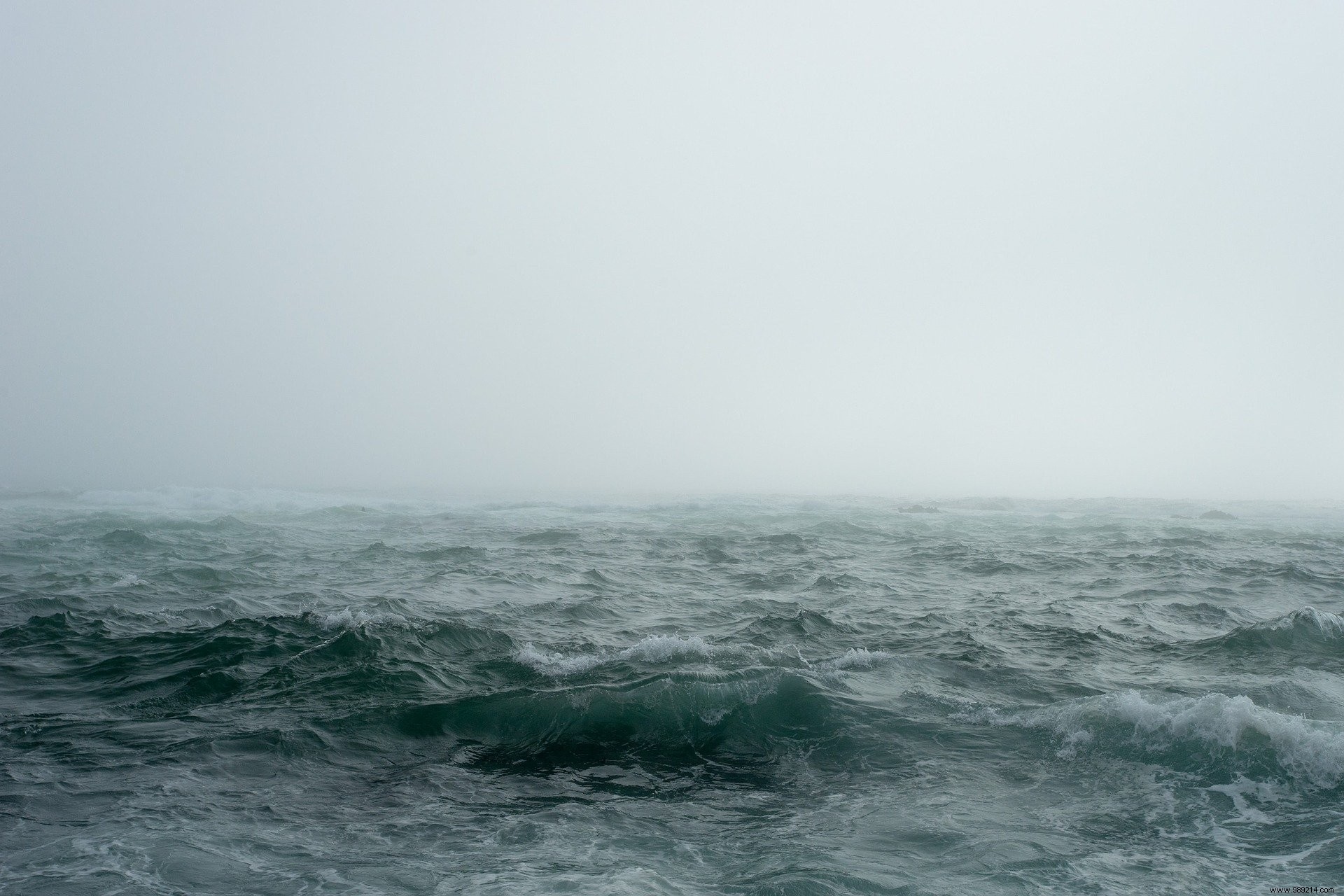
Water is vital for human survival, yet over 96% of Earth's water is undrinkable seawater due to its high salt content. But why exactly can't we drink it? The simple answer: our kidneys can't process it effectively.
Seawater contains vast amounts of dissolved salt. According to NOAA, salt makes up approximately 3.5% of seawater's weight. To illustrate, if all ocean salt were extracted and spread across Earth's land surfaces, it would form a layer more than 166 meters tall—far beyond what human physiology can handle.
Certain ocean dwellers like albatrosses, gulls, penguins, and marine mammals have evolved special adaptations, such as salt glands, to drink seawater safely. In contrast, humans and most land animals are adapted to drink freshwater.
When animals transitioned from ancient oceans to land millions of years ago, they moved to inland habitats rich in freshwater sources like rivers and lakes, avoiding salty coastal areas. Our primate ancestors thrived in these environments, so natural selection optimized us for unsalted water. Drinking highly saline seawater overwhelms our bodies, which require relatively pure water for cellular function.
We can handle small amounts of salt; excess is filtered out via urine produced by the kidneys, which can only create urine less salty than our blood. Seawater, however, has over three times the salt concentration of human blood, making it impossible to process. The excess salt draws water from our cells, causing severe dehydration. Far from quenching thirst, seawater only intensifies it.
