As the COVID-19 pandemic grips the world, anti-vaccine advocates are deploying familiar tactics. Yet this unprecedented global health crisis may reshape the movement entirely.
Vaccination remains a polarizing issue, tracing back to a discredited 1998 study by Andrew Wakefield falsely linking the MMR (measles, mumps, and rubella) vaccine to autism. Though thoroughly debunked, this sparked widespread distrust, amplified today by social media and fueling the anti-vaccine movement.
With over 2,100,000 cases and 145,000 deaths at the time—and potential for seasonal waves—leading public health experts agree a vaccine is essential for resuming normal life. Anti-vaccine groups counter with time-tested strategies.
Dorit Reiss, a law professor at the University of California, Hastings, who has studied the movement for years, notes a key tactic: denying the crisis's true severity. Anti-vaccine voices often minimize mortality risks, claiming only the elderly are vulnerable.
Data from the epidemic's outset disproves this. While younger people show greater resistance, many have died, with others battling in intensive care on ventilators. This overlooks frontline healthcare workers, exhausted amid shortages, striving to save lives.
Reiss observes that modern anti-vaccine beliefs often rely on conspiracy theories.
Some decry the rush for vaccines as profit-driven, favoring "natural" immune boosters instead.
Larry Cook, who runs the 'Stop Mandatory Vaccination' Facebook page, recently alleged global lockdowns enable governments to track and test people, paving the way for forced vaccinations.
Others blame a lab leak or emerging tech. Singer Keri Hilson (4.2 million Twitter followers) tweeted—now deleted—that 5G rollout in China preceded the outbreak, fueling attacks on UK 5G infrastructure in Liverpool, Birmingham, and Belfast.
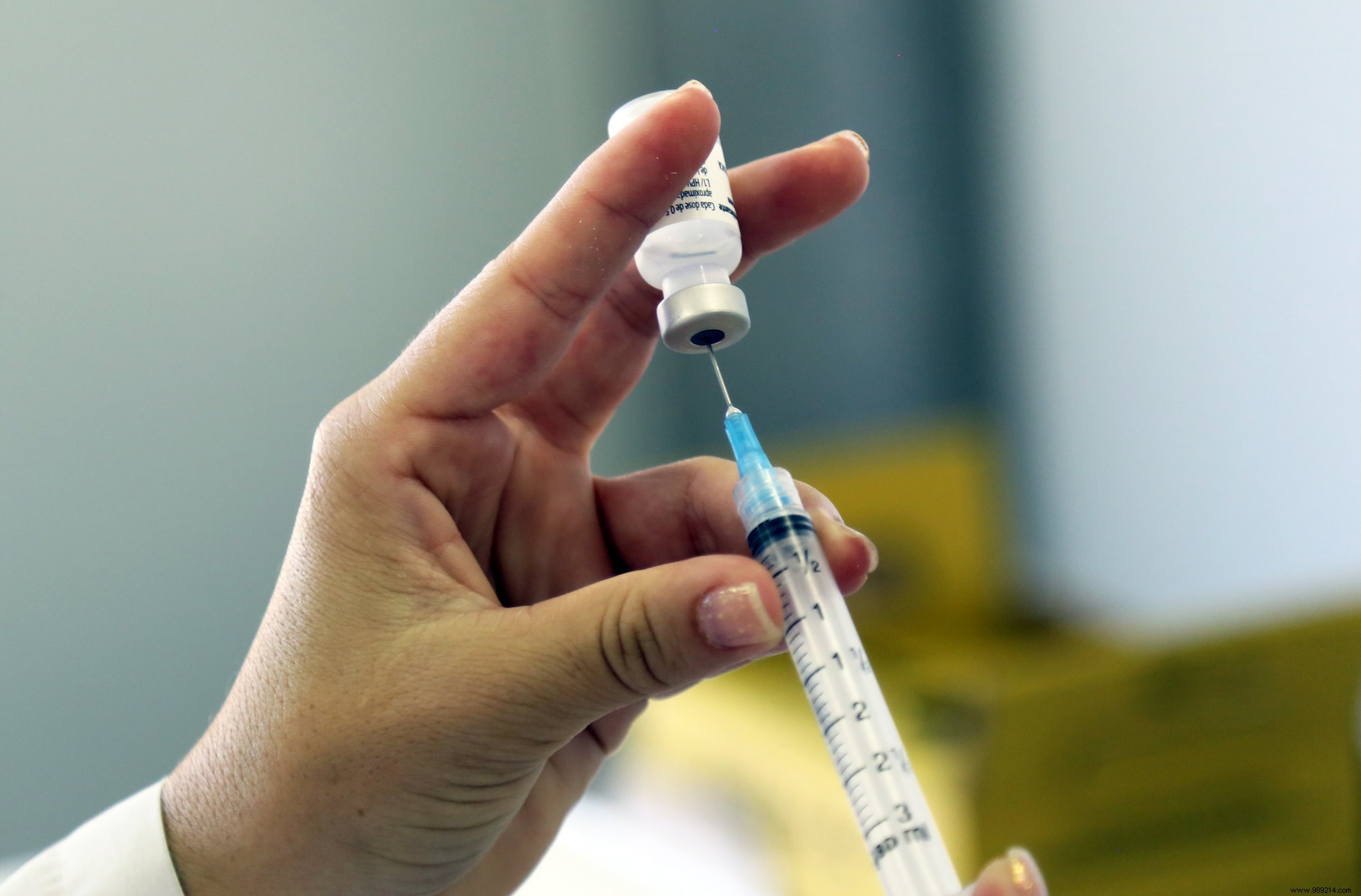
Some experts predict the pandemic could dismantle anti-vaccine resistance.
In the US, a mother of three and longtime online anti-vaccine participant told Reuters COVID-19 shifted her views. Calling herself Stéphanie to avoid backlash, she now sees a 50/50 chance she'd take a vaccine.
"I definitely thought about it," she said, frustrated by peers dismissing the pandemic as a hoax. "We are all affected by this virus."
Public sentiment is evolving. In France, a 2018 survey found one-third viewed vaccines as unsafe; a recent poll showed only 18% would refuse a COVID-19 vaccine.
Catherine Flores Martin, executive director of the California Immunization Coalition, anticipates reduced tolerance for anti-vaccine views post-crisis. "There will always be believers, but others will be far less forgiving after seeing the disease's impact."
Source
