A landmark Franco-American study reveals that regular consumption of deli meats raises the risk of chronic obstructive pulmonary disease (COPD), an inflammatory lung condition. The risk jumps significantly with weekly intake.
Experts from France's Inserm and Harvard T.H. Chan School of Public Health published their findings in EClinicalMedicine in September 2019. The research connects processed meat intake to COPD, which affects about 250 million people globally and causes progressive airway narrowing and permanent obstruction, leading to breathing difficulties. Notably, COPD has been associated with worse COVID-19 outcomes due to patient vulnerability. While smoking remains the primary cause, researchers identify deli meats as a significant secondary factor.
The analysis draws from large U.S. cohort studies: the Nurses’ Health Study (NHSI and NHSII) and the Health Professionals Follow-up Study (HPFS), which track numerous disease risk factors. The key data comes from NHSII, following 87,000 nurses averaging 36 years old over 26 years.
Results show that consuming deli meats at least once weekly correlates with a 29% higher COPD risk. These findings hold after adjusting for socio-demographic, lifestyle, and other variables, underscoring their reliability.
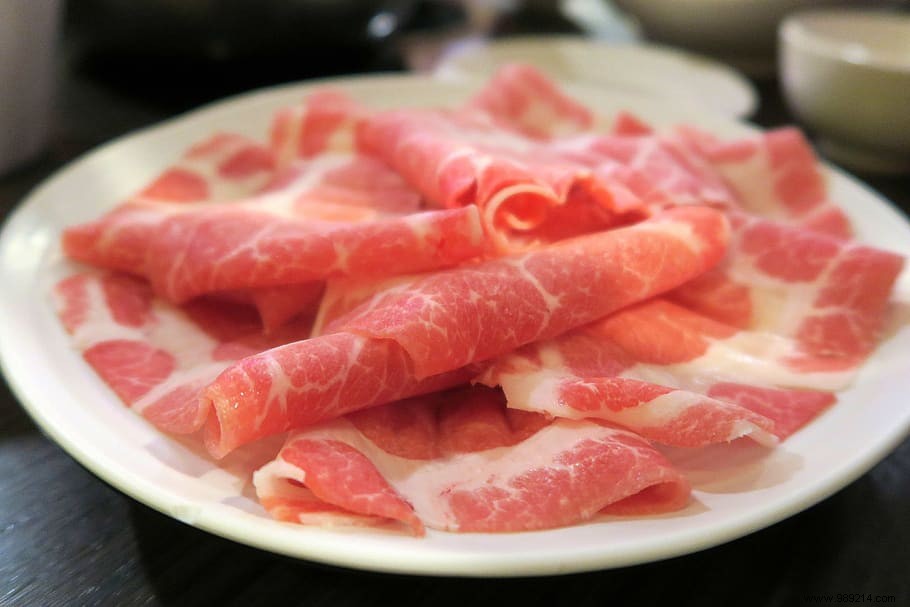
While exact mechanisms are unclear, researchers point to nitrosamines—highly reactive compounds formed from nitrites used to preserve and color deli meats. Under oxidative stress, these trigger nitrosative stress, elevating nitric oxide and metabolites, which promote chronic inflammation and conditions like COPD.
Source
Related Articles:
