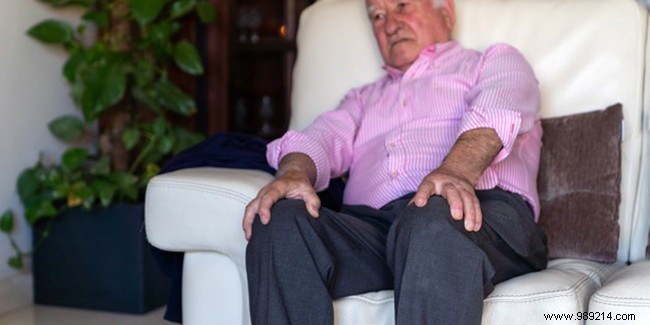
Arthritis, often referred to as rheumatism, encompasses nearly 100 conditions that cause pain in tendons, joints, bones, and muscles. It arises from wear and tear, infections, trauma, or even autoimmune responses where the body attacks its own tissues.
Arthritis becomes more prevalent with age, primarily affecting joints and bones. Symptoms often start around age 40, accompanied by pain. Common types include ankylosing spondylitis, gout, infectious arthritis, systemic lupus erythematosus, and rheumatoid arthritis.
Osteoarthritis damages cartilage, leading to bone-on-bone contact and pain during movement. In contrast, arthritis causes pain at rest.
This autoimmune disease affects 0.5% to 1% of the population, inflaming joints—especially in hands, feet, and knees—and sometimes organs. It's more common in women, with causes still unknown.
Gout results from high uric acid levels in the blood, forming crystals in joints, often causing intense pain in the big toe.
This autoimmune disorder impacts multiple organs alongside joints.
Affecting the spine and lower back, this chronic inflammation can cause stiffness over time.
Caused by bacteria, viruses, or fungi, it often follows surgery or injury and can occur at any age. Treatment typically involves antibiotics or other medications.
Key factors include aging, joint or ligament trauma, genetic predisposition, obesity, and intense sports activities.
Diagnosis involves discussing symptoms, clinical exams, and imaging like X-rays, ultrasounds, CT scans, or MRIs to assess damage. Synovial fluid analysis may also be used.
Treatment targets the specific type. Physiotherapy reduces stiffness and pain. During acute flares, rest the joint and apply cold packs. Medications include painkillers, anti-inflammatories, or cortisone injections.
For severe cases, procedures like synovectomy or joint prosthesis replacement restore mobility and alleviate pain.
Activities like walking, swimming, or cycling improve joint flexibility. Complementary approaches include:
Maintain a healthy weight to protect joints. For gout, avoid triggers like beer and limit meat, dairy, and fish.
Reduce or eliminate:
Prioritize protein-rich, anti-inflammatory options:
Elderly individuals benefit from:
Note: In nursing homes (EHPADs), staff provide rehab sessions. Some offer knitting therapy to maintain hand dexterity, prevent arthritis progression, and support memory amid early Alzheimer's.
Try these: Clench fists with thumbs inside for 5 seconds, release, repeat. Place elbow on table, gently push palm back with other hand for 5 seconds. Form an 'O' by touching thumb to index finger.
Seniors should stay active within their limits, manage weight, and follow a balanced diet to reduce flare frequency and intensity.
