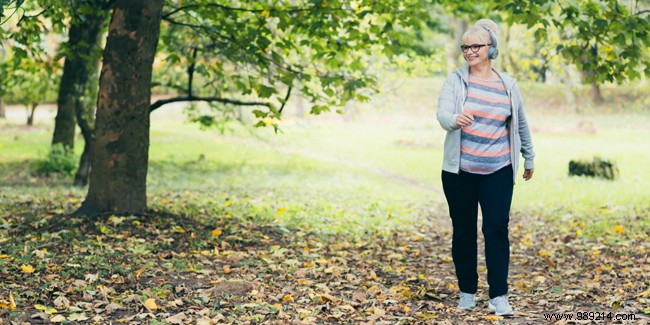
Balance loss in seniors often stems from multiple factors, heightening fall risks that can severely impact health and independence. Chronic conditions, declining vision or hearing, sedentary habits, poor nutrition, dehydration, sleep issues, or emotional challenges like bereavement and isolation all play a role. Early detection and prevention are key to supporting healthy aging.
Age-related changes are a primary driver. Muscles and joints lose elasticity, muscle mass declines, and overall tone weakens, making falls more likely and threatening autonomy.
Poor nutrition and dehydration exacerbate this. Many seniors experience reduced appetite from aging or loneliness, leading to underweight or overweight issues that impair stability.
Chronic illnesses, life stressors, sensory declines, and sleep deprivation also contribute. Regular doctor visits are essential to monitor health, assess fall risks from conditions, and get tailored prevention advice.
A lesser-known factor: dental problems. As noted by pourbienvieillir.fr, a resource from pension funds and Public Health France, "Dental problems can lead to the risk of falling: as surprising as it may seem, the jaw joint contributes to the construction and preservation of balance." Annual dentist checkups are crucial.
Medication mismanagement is another risk. Seniors on daily meds must follow dosing precisely to avoid dizziness.
Maintaining flexibility preserves muscle elasticity and body tone, reducing fall risks.
Stand frequently—it's a simple way to practice balance.
Regular exercise keeps you fit, strengthens muscles, and improves adaptation to instability. Start or continue activity from age 50 to combat sedentary decline. Everyday options like walking, gardening, or DIY count.
Group activities boost morale too: try gentle gymnastics, yoga, aquagym, Nordic walking, or tai chi. These combat muscle loss, enhance balance, and prevent serious falls that erode independence.
A balanced diet plus exercise sustains vitality. Aim for three meals daily, plus snacks if needed. Stay hydrated, especially post-exercise, and avoid alcohol, which worsens imbalance.
Feet are foundational for stability. Wear supportive, closed shoes with non-slip soles that secure the heel and arch.
Regular pedicures keep feet healthy for safe mobility.
