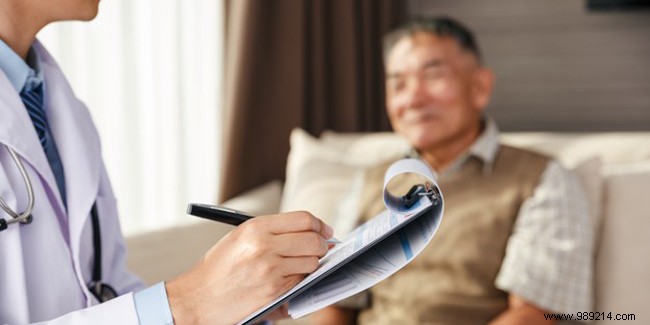
Strokes are a primary cause of hemiplegia, especially among older adults. This condition results in paralysis on one side of the body—either left or right—stemming from central nervous system damage. It can impact one or more body parts, significantly affecting daily life.
Damage to the brain's left hemisphere typically causes right-side paralysis, and vice versa. Right-hemisphere damage often leads to hemineglect, where patients feel disconnected from their body, alongside orientation issues. Left-hemisphere involvement may impair language and motor skills. Hemiplegia can be total, preventing all limb movement, or partial, allowing limited motion outside the paralyzed areas.
Hemiplegia falls into two primary categories:
Spastic hemiplegia features muscle stiffness and rigidity.
Flaccid hemiplegia causes muscle weakness and flaccidity.
Hemiplegia may be proportional, with uniform muscle impact, or disproportionate, where one limb is more severely affected.
Patients struggle with movements; partial hemiplegia leads to awkward gestures, gait difficulties, and profound fatigue. Total hemiplegia prevents mobility, often complicating eating, vision, and memory. Facial paralysis may cause eyelid or mouth drooping on the affected side. Additional symptoms include:
Stroke—due to vessel obstruction or rupture in the brain—is the leading cause, depriving brain tissue of oxygen and potentially causing cerebral hemorrhage. Other triggers include:
Neurologists diagnose hemiplegia by assessing the affected brain hemisphere, testing reflexes and muscle strength, and identifying the root cause. Diagnostic tools include blood tests, CT scans, Doppler ultrasound, EEG, lumbar puncture, and MRI to evaluate brain damage.
No cure fully reverses severe hemiplegia, but urgent hospitalization targets the cause to halt progression. Stroke treatment varies by type (ischemic or hemorrhagic) with medications to manage symptoms. Rehabilitation, led by physiotherapists, addresses motor deficits; speech therapists handle language issues. Botulinum toxin injections ease spasticity, and surgery may be required in select cases.
Prompt intervention after onset can limit damage. Post-acute phase, tailored rehabilitation helps seniors regain motor function partially or fully, barring irreversible lesions. Preventive measures for recurrence include low-sodium diets, weight management, and blood pressure monitoring.
