Navigating the wide range of hearing aids available today can feel overwhelming, especially for seniors. This guide breaks down the options to help you choose wisely based on real-world expertise and patient experiences.
After age 65, hearing decline is common due to degeneration of the inner ear's cells and membranes. In fact, about 50% of seniors require hearing aids. For pricing and options, visit VivaSon's website. They offer free hearing assessments and a €100 rebate on purchases. Known for high-quality, affordable models, VivaSon stands out in the French market.
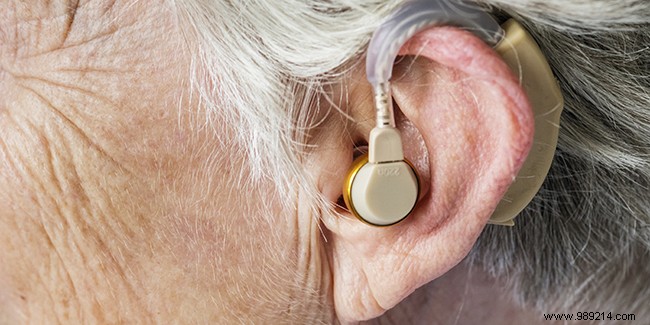
The classic "ear hook" or behind-the-ear (BTE) models remain popular, accounting for nearly 70% of sales. They're ideal for moderate to severe hearing loss, particularly among seniors.
Worn behind the ear with a custom-molded acrylic or silicone tip that matches your ear and skin tone, BTEs are compact, easy to handle, and user-friendly for older adults. Batteries last up to two weeks, even with heavy use.
For mild hearing loss under 80 dB (more info here - Pdf), intra-auricular or in-the-ear (ITE) aids are recommended. Their discreet design makes them nearly invisible unless closely inspected.
Custom-shaped to fit the ear canal like an earpiece, they're perfect for glasses wearers or frequent phone users, with no interference. However, they're fragile, require regular cleaning, and may cause initial echo or buzzing sensations—avoid if you have excessive earwax.
Receiver-in-canal (RIC) or micro-contour aids transmit sound directly into the ear canal, delivering exceptional acoustic quality that mimics natural hearing. They suit all levels of hearing loss, explaining their premium price.
Highly discreet, lightweight, and comfortable, RICs appeal to active adults, teens, athletes, and professionals more than seniors, with minimal sensation of weight or presence.
