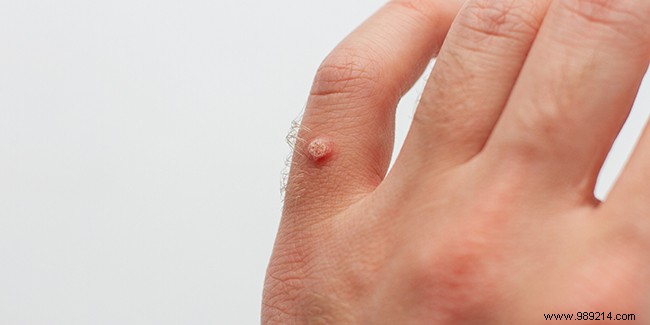
Warts, caused by the human papillomavirus (HPV), are common, contagious skin growths. They spread easily in public spots like swimming pools, saunas, and gyms, or at home via shared items such as towels or razors. While typically harmless and painless—except for painful plantar warts on the feet—they're often unsightly and stubborn.
Warts affect 7-10% of the population and can appear anywhere, though hands, feet, and face are most common. These benign skin growths fall into three main types:
The most frequent type, common warts form rough, dome-shaped, light-colored bumps, often on hands. They vary in size.
Smaller and skin-toned, flat warts have a smooth, soft surface.
Found on the soles of the feet, these grow inward, causing pain. They appear as hard, white patches with tiny black dots.
Though warts pose no major health risks, their appearance and occasional discomfort prompt treatment. Natural options like celandine (Chelidonium majus) latex may help, but medical treatments offer more reliable, lasting results.
This gold-standard method uses extreme cold—liquid nitrogen at -196°C or dry ice at -79°C—to destroy wart tissue via controlled burns. Applied every two weeks by dermatologists or at home with over-the-counter sprays, fluids, or pens, it permanently eliminates warts over multiple sessions.
Salicylic acid-based keratolytics are the go-to choice. They soften the skin's outer layer, promoting exfoliation and targeting HPV-infected cells. Apply daily to filed-down warts using pharmacy-available concentrates, adjusting strength by location. Warts typically vanish permanently in 4-8 weeks.
