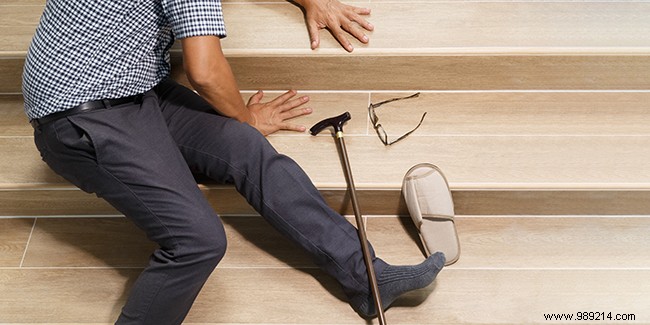
In France, falls are the leading cause of death for those over 65, claiming 12,000 lives in 2015 alone. They impact over two million people annually, with one in two individuals aged 80 and older affected. Most falls happen at home—nearly half in the bathroom. The longer a senior remains on the ground after a fall, the higher the risk of severe outcomes like injuries, hospitalization, or loss of independence.
Early fall detection is crucial for swift intervention by caregivers or emergency services. A range of manual, electronic, digital, and connected devices and systems are available to alert about falls in homes or care facilities.
The traditional remote assistance system features a wearable button on a bracelet or medallion. If conscious after a fall, the senior presses it to connect with a 24/7 emergency center, which dispatches help or notifies family if unresponsive.
These sensors detect sudden accelerations, impacts, or loss of verticality from heavy falls—unlike gentler ones. Worn as bracelets or pendants, they activate an alarm one minute after a fall if the person doesn't stand, notifying a call center or relatives. No user action required; they're the most affordable option.
Worn on the wrist or as pendants, these automatically detect falls and alert if no movement follows. They vibrate and flash; without response, they send notifications to an assistance center.
Ideal for care facilities and senior housing, these mats use underfloor sensors to detect falls or unusual activity—no power outlet needed. Alerts go to staff via computer, tablet, or smartphone, with optional video verification.
Placed throughout the home, these monitor for inactivity tailored to the resident's habits. No movement for minutes triggers smartphone notifications to family for quick checks.
Best for those with reduced autonomy, especially in nursing homes like EHPADs for nighttime monitoring. AI-driven software identifies all fall types (sudden or gradual), activating video only on detection for privacy-respecting responses.
Innovative startups are developing hyper-connected tech to detect and prevent falls. Connected shoes with foot sensors are in prototyping to catch balance issues early. Light-path guides, already used in care settings, illuminate paths at night to avoid obstacles and reduce risks.
