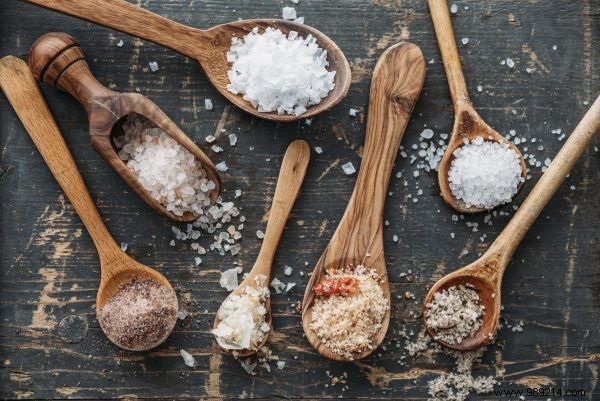
Salt has a notorious reputation. Should you banish the shaker from your kitchen forever, or are there healthier ways to enjoy it? As a nutrition expert-backed guide, we'll uncover the facts.
The good news: salt is indispensable. Your body relies on about 2 grams daily for fluid balance, blood pressure regulation, and muscle and nerve function. It efficiently eliminates excess via urine and sweat—especially beneficial for fitness enthusiasts sweating through workouts 3-4 times weekly.
Read also: ‘What about salt in your diet?’
Dietary salt absorbs fully in the small intestine, entering the bloodstream. Kidneys are your primary excretors, removing excess while drawing moisture from food in the large intestine. Up to 6 grams daily is manageable, but more demands overtime work, risking overload and failure long-term. Watch for stinging pain or colic in the lower or mid-back, especially with salty habits—see your doctor to confirm.
Tip: Gauge your salt intake with the test at Nierstichting.nl/zoutmeter.
Excess salt raises blood pressure via sodium's role in fluid balance. Healthy adult levels: 120/80 mmHg. At the doctor, hypertension means upper pressure ≥140 mmHg or lower ≥90 mmHg. Home monitoring flags upper ≥135 mmHg. Rely on multiple readings over time for accuracy.
Hawaiian black salt with volcanic charcoal, fleur de sel crystals, Maldon flakes, Himalayan pink, or Celtic sea salt—these are all the rage. But health perks? Nutritionist Paulien Vinke advises skepticism: "They match table salt's sodium and calcium levels, with trace potassium, magnesium, sulfur, zinc, or iron in negligible amounts. They're pricier for your wallet than your wellbeing."
Read also: ‘Did you already know this about salt?’
Too much salt harms health. Recognize these signs.
Table salt (sodium chloride) is 0.4 grams sodium and 0.6 grams chloride per gram. Occasional binges like holiday cheese and chips won't derail you. Sustained excess brings headaches, spiked blood pressure, and bloating. Per Paulien Vinke: "Symptoms fade with healthy habits."
Salt sneaks in as taste buds adapt. With inactivity, stress, or excess weight, risks mount: chronic high blood pressure and cardiovascular disease. Not everyone reacts the same—genetics, fresh varied diet, and active lifestyle matter most.
