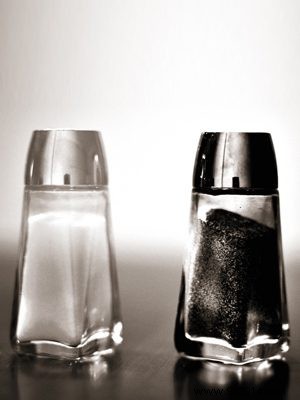
Eating completely salt-free isn't practical or necessary, but since most of us consume too much, reducing intake slightly can make a big difference. It's easier than you think.
1. We consume too much salt. Salt sensitivity varies by individual. Children with high salt intake now risk developing high blood pressure later in life. A specialist can assess how your salt consumption affects your blood pressure.
2. The body needs a minimal amount of salt daily. Vegetables and potatoes provide plenty naturally. Dietitian Lenny Versteegden advises: "If you do use salt, choose iodized varieties. Iodine, found in few foods, supports thyroid gland function."
3. Three-quarters of our salt comes from processed foods and bread. The government urged the food industry to reduce salt in products by 10 to 15 percent by the end of 2009. Unilever, for example, has significantly lowered salt in Unox soups like Cup-a-Soup.
4. Struggling to eat less salt? "Your taste buds adapt to less salt within days," says Versteegden. "Try other seasonings: nutmeg for cauliflower, savory for beans, chives for carrots. Enhance meat, fish, and chicken with onion, garlic, or pepper."
