Tired of hay fever leaving you exhausted with a runny nose, itchy eyes, and breathing issues? Simple, everyday steps can make a big difference.
These practical actions reduce pollen exposure and help control symptoms effectively.
Here are 10 expert-recommended tips for allergen protection:

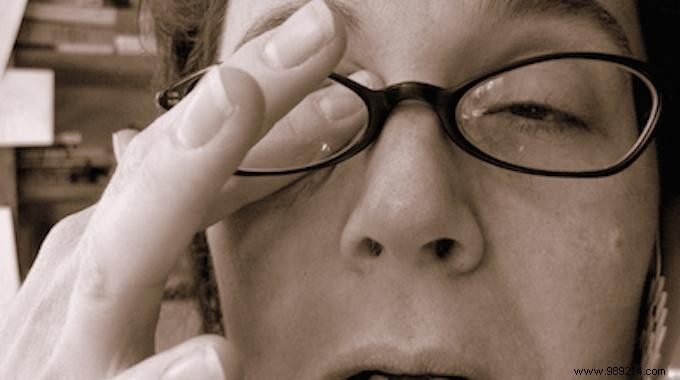
To shield your eyes from pollen, wear glasses outdoors. If you already use prescription glasses, you're set. Otherwise, choose wraparound sunglasses for better protection.
This simple barrier minimizes pollen contact, reducing risks of conjunctivitis and symptoms like redness and itching.
Heading outside? Top it off with a hat or cap to keep pollen out of your hair.
This prevents you from carrying allergens indoors and into bed, helping maintain a pollen-free sleep environment.
Pollen clings to surfaces and objects you touch daily, easily transferring to your hands.
Wash your hands frequently throughout the day to avoid rubbing pollen into your eyes or mouth.
While sunny days tempt us to hang laundry outside, high pollen counts make it risky.
Pollen sticks to fabrics, worsening symptoms when worn. Dry indoors instead to keep clothes allergen-free.
Pollen drifts indoors through open windows, settling on surfaces.
Vacuum at least twice a week and dust thoroughly to minimize indoor allergens.
Your bed traps pollen brought in nightly, fueling dust mites and morning symptoms.
Wash sheets more often—focus on rinsing away pollen rather than heavy detergents.
Pollen builds up in hair during the day and transfers to your pillow at night.
Simply rinse with water before bed (no shampoo needed) to break the cycle and wake up symptom-free.
Gardening exposes you directly to pollen clouds.
A mask protects your nose, mouth, and airways, cutting inhalation and easing respiratory symptoms.
Outdoor clothes carry pollen home, spreading it indoors.
Change immediately upon return—ideally before entering—and leave shoes outside to limit contamination.
Your face bears the brunt of pollen exposure, affecting eyes, nose, and mouth.
Splash water over your face multiple times daily, including eyebrows. Plain water works best—no soap required.
Symptoms vary by sensitivity but can strike even first-timers:
If these sound familiar, check the National Aerobiological Surveillance Network website for pollen levels in your area.
