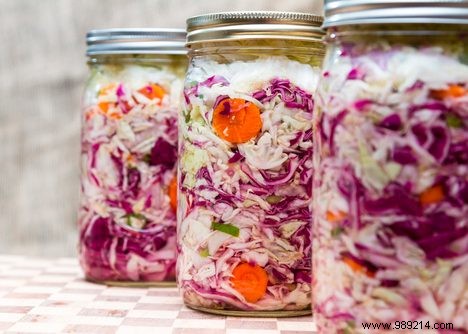
Fermentation transforms everyday vegetables into tangy, probiotic-packed superfoods that boost gut health and add bold flavors to meals. As someone who's fermented countless batches using time-tested techniques, I can confirm it's straightforward and incredibly rewarding—no fancy equipment needed.
All you'll require: unrefined salt, water, fresh vegetables or fruit, sterilized jars, and a neutral oil. Follow these proven steps for success every time.
1. Finely chop your vegetables and toss with salt. Opt for mineral-rich unrefined varieties like Celtic sea salt over table salt for better nutrition and flavor.
2. Pack them into a clean, airtight glass jar. Sterilize everyday jam jars in the dishwasher or by boiling, or use dedicated preserving jars for optimal results.
3. Vegetables like cucumbers, tomatoes, carrots, zucchini, and cabbage release their own juices within hours, submerging naturally. For denser ones like cauliflower or beets, prepare a brine with salt and water to fully cover them—this is crucial to prevent spoilage. If they float, weigh them down with a water-filled plastic bag or small board, then release any air bubbles by tapping the jar.
4. Seal airtight with a thin layer of deodorized coconut oil or olive oil on top. This oxygen barrier keeps mold at bay, ensuring safe fermentation.
5. Let ferment at room temperature for 1-3 days, then transfer to the fridge or a cool spot. They're ready in 3-10 days—test with a clean spoon. A pleasant sour tang signals perfection.
6. Store refrigerated for months. Trust your senses: a foul odor means discard.
With practice, you'll master custom batches tailored to your taste. Enjoy the health benefits of homemade ferments!
