Researchers at the UK's Quadram Institute have uncovered compelling evidence from a recent study on fecal microbiota transplantation in mice. The results suggest this approach could positively influence healthspan, particularly by mitigating aging effects.
For decades, scientists have pursued ways to combat aging, from topical treatments and surgery to innovative therapies. Past research explored young blood transfusions for rejuvenation, and in December 2021, an experimental anti-aging vaccine extended mouse lifespan.
Published in the journal Microbiome on April 29, 2022, this Quadram Institute study involved transplanting fecal microbiota from young donor mice into older recipients to assess physiological changes.
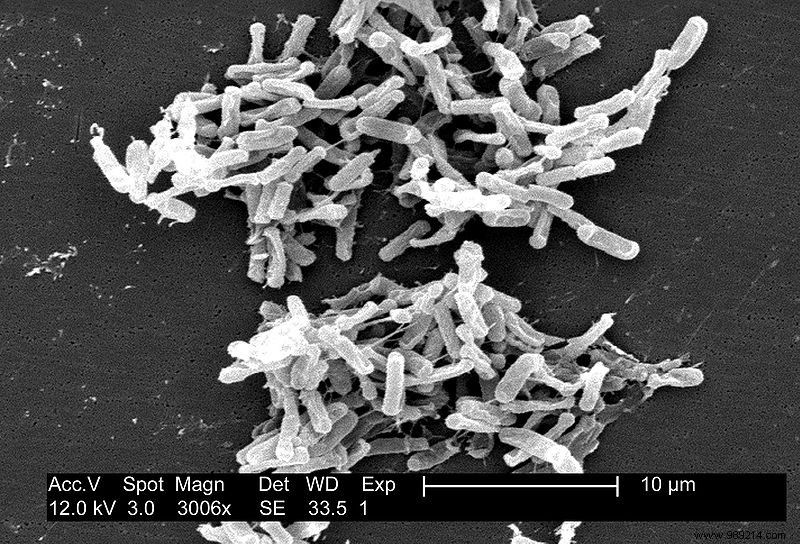
Fecal transplantation, or bacteriotherapy, restores gut microbial balance and colon health by introducing bacteria from a healthy donor's stool. It's a established non-drug therapy, especially for conditions like recurrent infections.
Older recipient mice exhibited marked improvements in gut integrity, vision, and cognitive function. Conversely, young mice receiving microbiota from aged donors developed premature signs of intestinal aging and inflammation. These findings underscore the gut microbiome's critical role in retinal health, brain function, and overall aging processes.
Could young human donors one day help extend healthy years for the elderly? While intriguing, human trials are pending—this research is limited to mice, but it paves the way for future studies.
