Researchers at Westmead Children's Hospital in Australia have identified significantly lower levels of the enzyme butyrylcholinesterase (BChE) in infants who later died from Sudden Infant Death Syndrome (SIDS). If confirmed, this discovery could transform prevention efforts and save lives in the first year.
SIDS, the sudden and unexplained death of a seemingly healthy infant during sleep, has long puzzled medical experts. While the exact causes remain elusive, ongoing research is yielding critical insights.
In a study published in eBioMedicine (part of The Lancet family), scientists analyzed BChE levels—an enzyme key to the brain's arousal pathways—in dried blood spots from 722 newborns. They found markedly reduced levels in those who succumbed to SIDS compared to infants who died from other causes or survived, matched by birth date and gender.
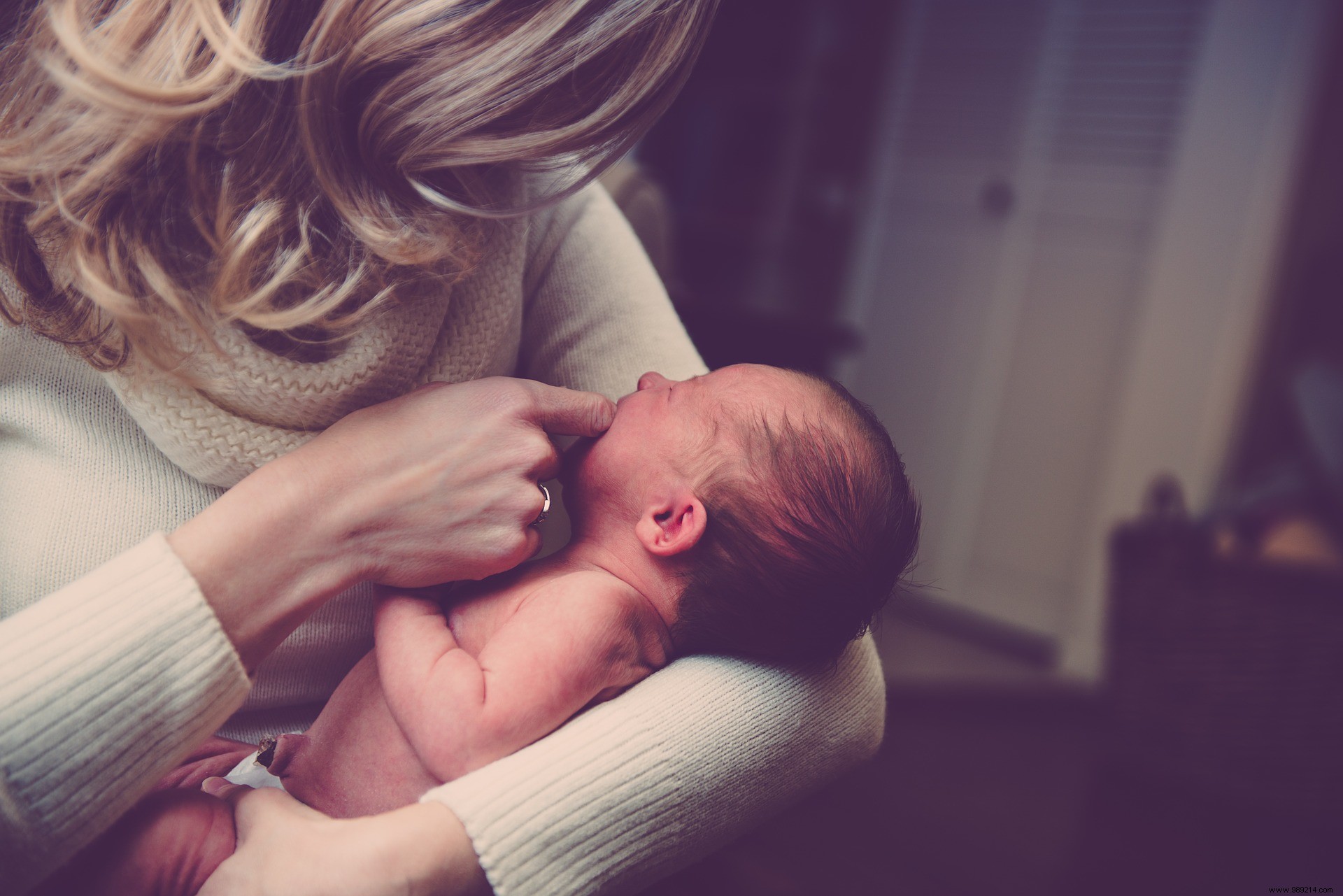
This enzyme deficiency may hinder an infant's ability to wake up or respond to environmental threats, such as breathing difficulties during sleep, elevating SIDS risk.
Led by Dr. Carmel Harrington, who tragically lost her own child to SIDS 29 years ago, the team offers hope. "A seemingly healthy baby who falls asleep and doesn't wake up is every parent's nightmare," Dr. Harrington stated in a press release. "Until now, there was no way to predict vulnerability. That's changing."
She added, "Babies instinctively arouse and cry in distress, like when face-down and struggling to breathe. Our findings reveal some lack this vital response."
Future applications could include newborn screening for BChE levels to identify at-risk infants, alongside research into targeted enzyme therapies.
