Researchers have identified a novel influenza strain in Chinese pigs that can infect humans and may evolve into a pandemic threat.
As the world grapples with COVID-19, a new study published in PNAS on June 29, 2020, highlights a pig-borne virus with alarming pandemic potential. The G4 EA H1N1 (A/H1N1pdm09) strain, dominant in China since 2016, could mutate to enable efficient human-to-human spread.
Humans likely have little to no immunity against this virus, prompting calls for vigilant monitoring of swine industry workers and proactive control measures.
Testing 300 workers across 15 Chinese pig farms revealed 10.4% carried antibodies to G4 EA H1N1. Five human cases have been documented, including two linked to neighboring pig farms, indicating zoonotic transmission—and possible human spread.
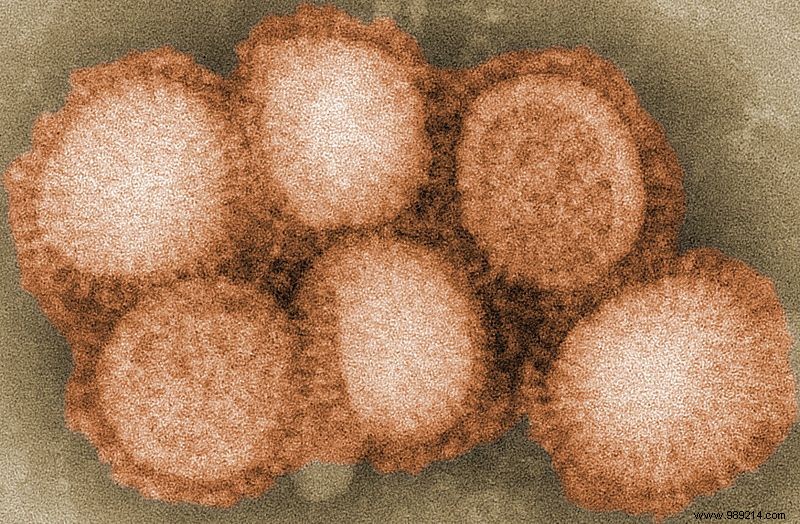
"Influenza viruses continue to pose pandemic risks even amid the coronavirus crisis. Currently, there's no evidence of sustained human-to-human transmission," notes Melinda Rostal, a veterinary epidemiologist specializing in zoonoses at EcoHealth Alliance, in an Inverse analysis from June 30, 2020.
Pigs act as key viral reservoirs, facilitating gene exchange via viral recombination—the very process that birthed G4 EA H1N1. Other nations should track developments in China closely. Without immunity or vaccines, the pandemic risk remains real.
