Researchers from Northwestern University recently investigated whether minimal light exposure at night could disrupt sleep and affect health. Their findings confirm a subtle but real risk.
Blue light from smartphones and TVs is well-known to harm sleep, especially near bedtime—experts recommend avoiding screens at least two hours before sleep. But what about very dim light? A Northwestern University study, led by Dr. Phyllis Zee, explored this.
In a March 14, 2022, press release, the team detailed an experiment with about 20 participants over two nights. Volunteers were exposed to different light levels: 3 lux (very dim) and 100 lux (moderate). Researchers monitored heart rate, electrocardiograms, and melatonin levels via blood samples.
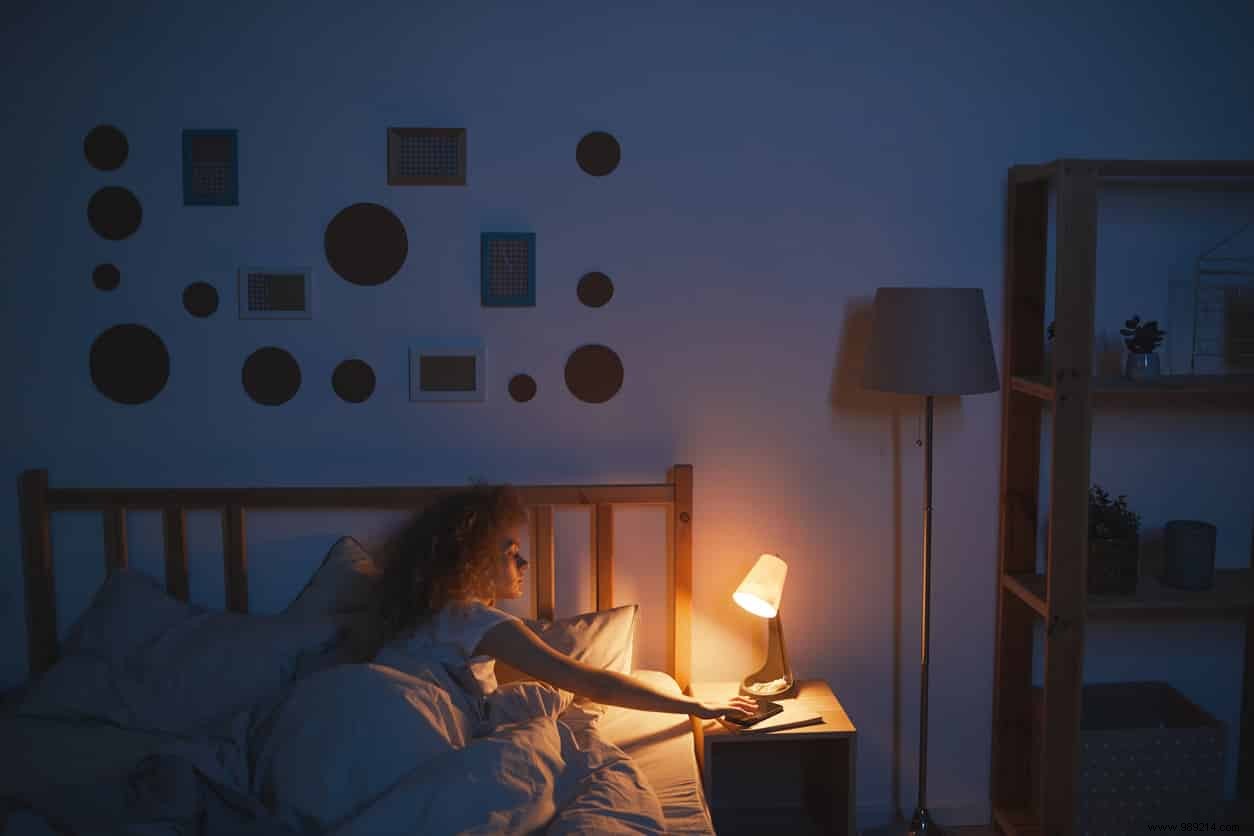
Results showed that even faint light filtering through closed eyelids causes a slight sleep deficit. This links to a modest increase in heart rate and impaired cellular repair, among other effects.
Normally, heart rate slows at night to promote rest and recovery. Yet light—even dim—prevents this slowdown, a factor previously linked to heart disease risk in other studies.
The research also found reduced insulin sensitivity in non-dark rooms. Insulin, produced by the pancreas to regulate blood sugar, is overproduced under light exposure, straining the organ over time and raising type 2 diabetes risk. Nighttime light may also contribute to weight gain and obesity.
To minimize these risks, eliminate all light sources in your bedroom. Block streetlights from lamps or traffic by closing shutters or curtains.
