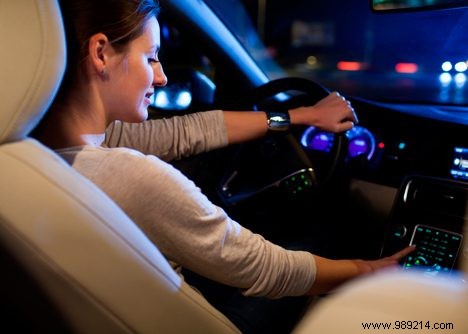
"When I drive in the dark, I see poorly. Am I night blind?"
True night blindness is rare
The likelihood of actual night blindness is low. Neurophysiologist Maarten Kamermans explains: "Medical night blindness is rare in the Netherlands. It's never completely dark here. You're only truly night blind if you can't see anything by starlight alone."
Why does your night vision suffer?
Night blindness is often mistaken for straylight—a common issue in the Netherlands that impairs night vision.
What exactly is straylight?
Straylight results from minor imperfections in our eyes. Our eyes project images to the brain via a lens system of the cornea and crystalline lens. With straylight, this system isn't perfectly clear.
No need to worry
Eyes are biological, not like flawless glass. Proteins and structures create a haze on the retina, producing light streaks that obscure vision.
Easier to get dazzled
Think of it like a dirty car windshield. Oncoming headlights scatter off rain spots, blinding you. A clean windshield lets you see clearly—just like healthy eyes versus those affected.
Straylight affects everyone
It's normal, even for those with excellent vision. But conditions like cataracts double the effect, worsening glare.
How to manage straylight
Artificial lenses help in cataract surgery. Regular eye exams are key—night vision differs from daytime. Proper glasses reduce it. Avoid contacts while driving; they irritate the cornea, increasing straylight.
