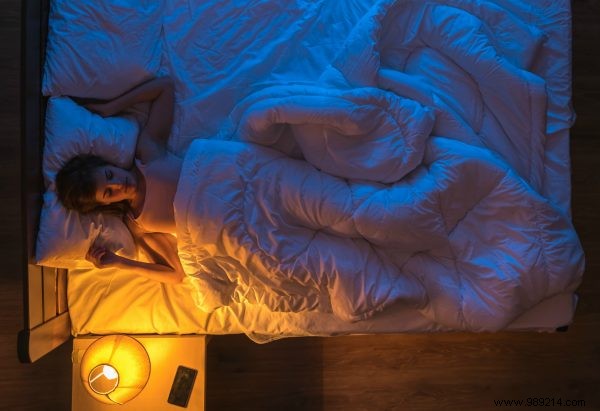
Spicy foods, caffeine, smoking, and alcohol can trigger night sweats. Moderating or eliminating these habits often helps. However, other underlying factors may be at play.
Some medications list night sweats as a side effect, including fever reducers like aspirin and paracetamol, as well as antidepressants, hormone therapies, and blood sugar-lowering drugs. Studies show 8 to 22 percent of antidepressant users experience this issue.
Discontinuing medication isn't always feasible, but switching to an alternative may provide relief. Always consult your doctor before making changes.
Read also: "Why do I sweat more than others?"
Sweating helps regulate body temperature during hot weather or with heavy bedding. But if you frequently wake up damp or drenched despite light covers, it's likely night sweats. In women, hormonal shifts are the leading cause.
Pregnancy and menopause disrupt the brain's temperature control center, leading to hot flashes day and night. While prevention isn't always possible, cooling strategies help: opt for lightweight cotton pajamas and keep the bedroom window open.
Stress triggers adrenaline release, activating sweat glands. It can also lead to shallow breathing during sleep, exacerbating night sweats.
Identify stress sources—perhaps a conversation with your employer can resolve it. Wind down with relaxing activities like online yoga, adult coloring books, or embroidery. Seek professional help if needed.
Fever-causing infections often lead to night sweats.
Common culprits include flu or sinus infections, but serious conditions like HIV, tuberculosis, malaria, heart disease, lung issues, or cancer are possible. If night sweats persist without an obvious cause, see your doctor promptly.
