A recent meta-analysis reveals that botulinum toxin—commonly known as Botox—offers anxiolytic and antidepressant benefits, independent of the injection site.
Produced by the bacterium Clostridium botulinum, botulinum toxin blocks nerve signals to muscles, preventing contractions. In aesthetics, Botox relaxes facial wrinkles for smoother skin. Its applications extend far beyond cosmetics, effectively treating muscle spasms, hyperhidrosis, migraines, and urinary incontinence.
Published in Scientific Reports on December 21, 2021, research from the University of California, San Diego, highlights Botox's potential in managing anxiety and depression. Remarkably, efficacy persists across injection sites, despite the toxin's potent neurotoxic profile.
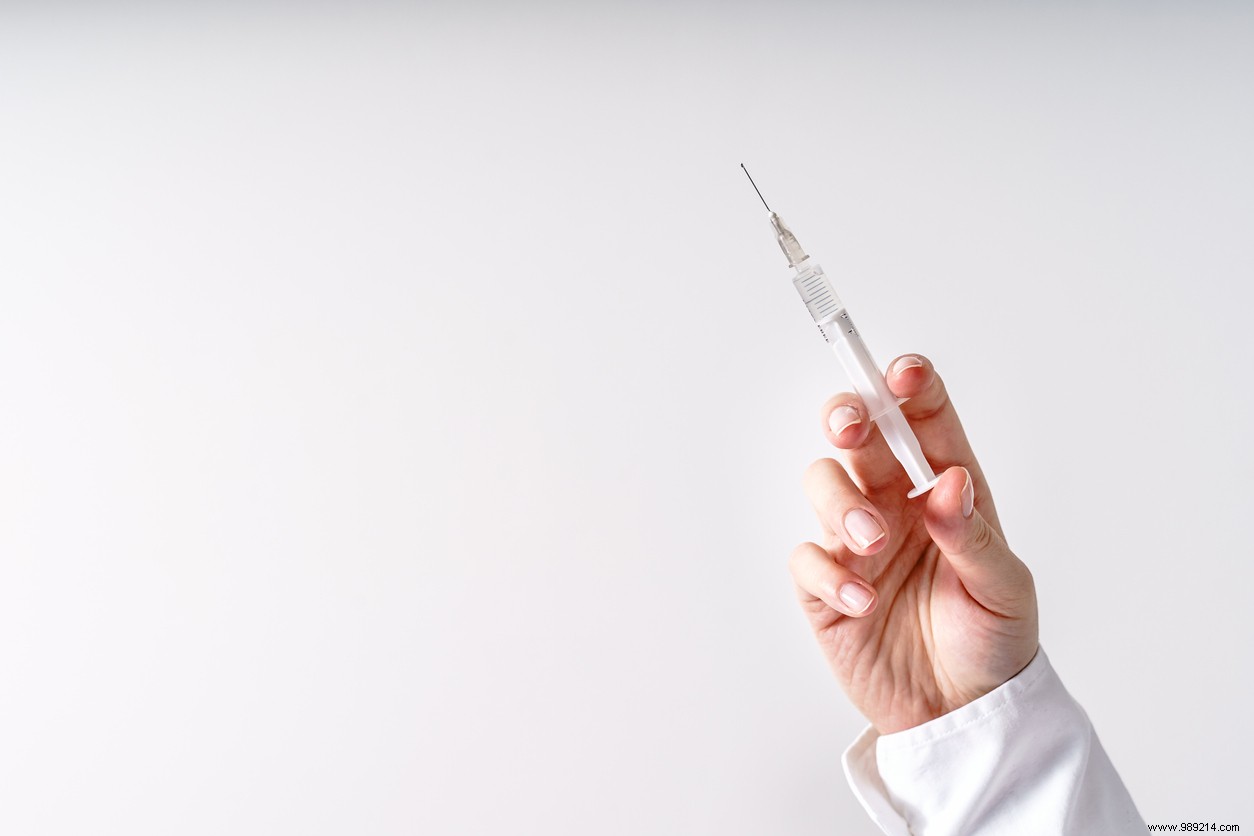
Researchers analyzed a vast FDA database of 40,000 patient reports, originally designed to uncover adverse effects missed in clinical trials. Flipping the approach, they sought therapeutic insights by comparing anxiety disorder rates between Botox users and controls, using an algorithm to detect statistical variances against other treatments.
Results showed anxiety risk dropping 22% to 72% for Botox users across four conditions and sites: facial/head muscles for migraines, facial muscles for cosmetics, neck muscles for torticollis, and upper/lower limbs for spasms.
This builds on the same team's 2020 findings suggesting Botox may influence central nervous system structures to alleviate anxiety and depressive symptoms.
