Could Botox hold the key to treating depression? A recent study explores its potential beyond wrinkle reduction.
According to INSERM, one in five people will experience depression in their lifetime. Yet current treatments are only about 70% effective, prompting exploration of alternatives like ketamine infusions and psilocybin. A study published in Scientific Reports on July 30, 2020, examines Botox injections as a novel approach.
Botox, or botulinum toxin from Clostridium botulinum, is among the most potent neurotoxins known, causing botulism at high doses. In controlled, low doses, it's widely used for therapeutic and aesthetic purposes.
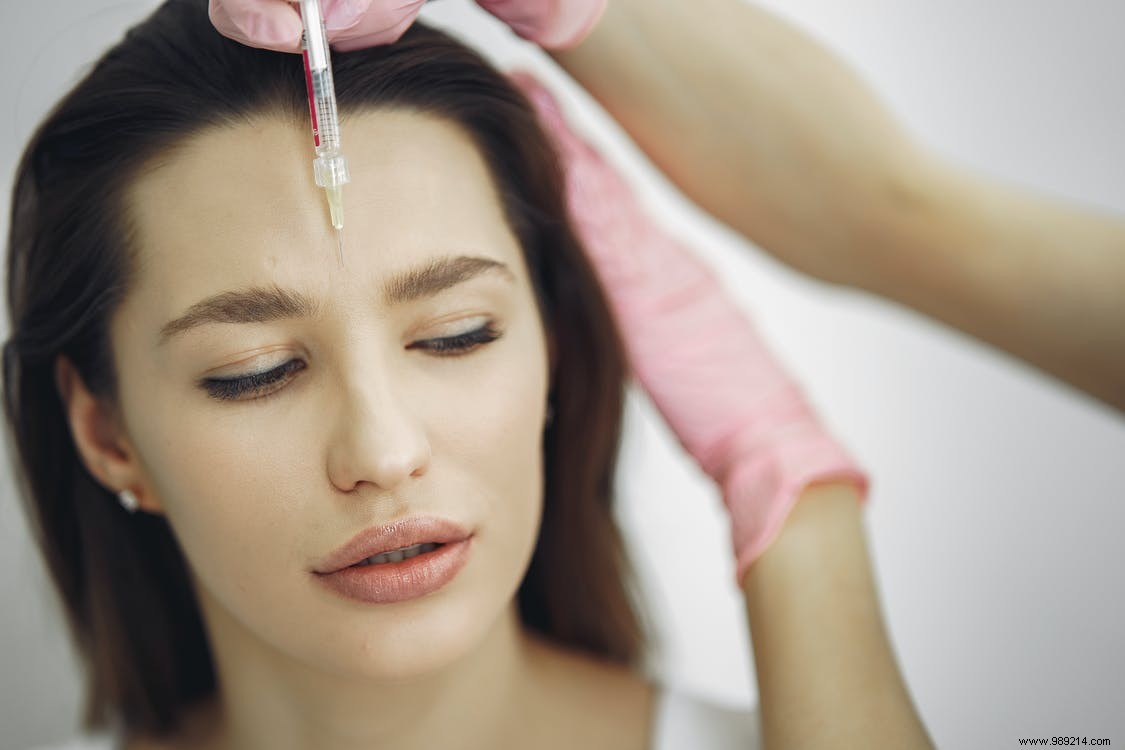
Researchers at the University of California, San Diego, propose Botox may alleviate depression by interrupting a feedback loop involving negative facial expressions in the glabellar region—the area between the eyebrows and above the nose. The exact mechanism and duration remain unclear, and the effect appears independent of injection site or other conditions, potentially avoiding invasive facial muscle injections.
Botox may also reach central nervous system structures, which process peripheral signals and coordinate responses. A 2015 study on Botox for muscle spasms showed it can alter neuronal activity, impacting opposing muscles and reflexes.
Muscle tension, a common depression symptom, could be eased by Botox, reducing overall tension and symptoms. However, the study notes that Botox side effects have often been overlooked, calling for further research to clarify benefits and risks.
