As experts in indoor air quality, we emphasize that temperature isn't the only factor for comfortable living spaces—humidity levels are equally vital. Aim for balanced indoor air that's neither too dry nor overly humid to protect your health and home.
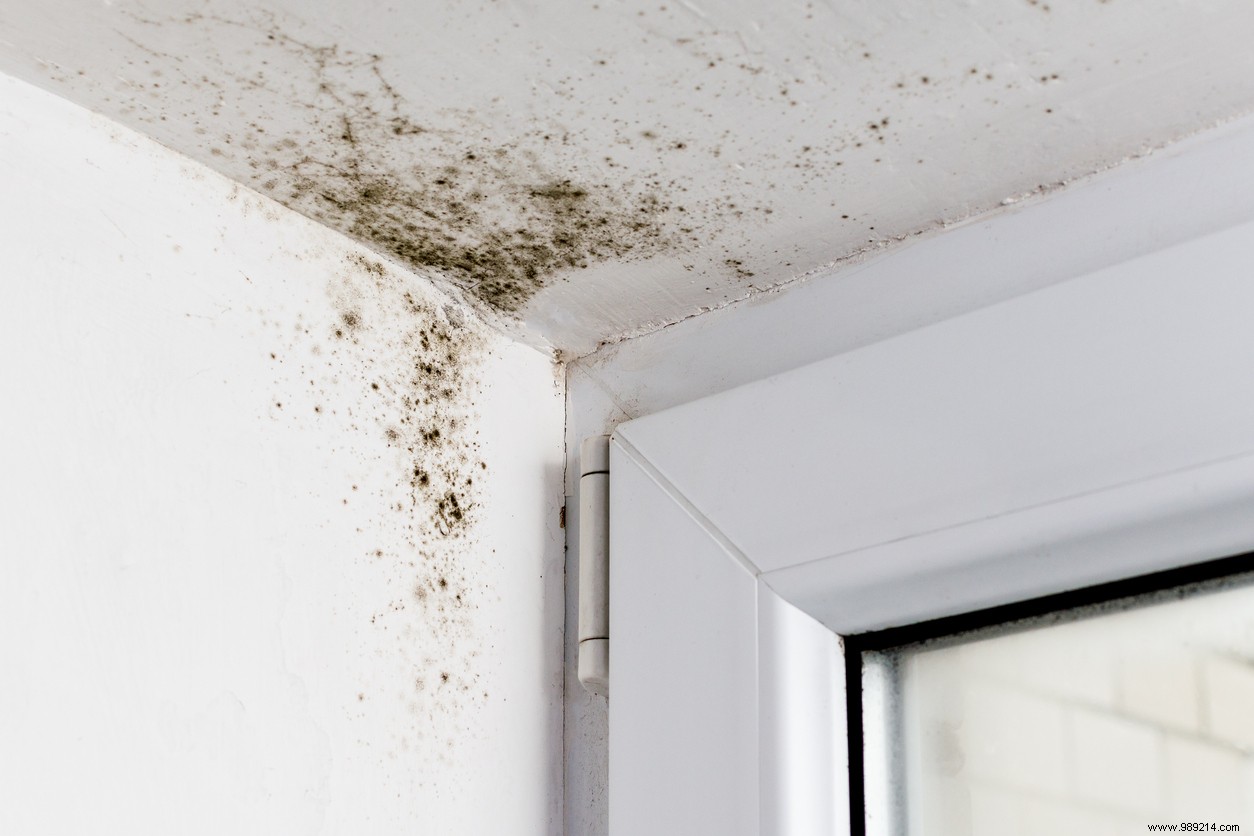
Winter heating naturally dries out indoor air, but maintaining some moisture is essential for healthy breathing. According to the Environment and Energy Management Agency (ADEME), humidity below 40% can trigger allergies due to excessively dry conditions, while levels above 60% encourage mold and bacteria growth, posing health risks. ADEME recommends using a hygrometer to accurately monitor indoor hygrometry, as it's challenging to gauge without one.
Overusing heaters often leads to dry air. Start by ventilating your home for at least 15 minutes daily to introduce fresh, moist outdoor air. Keep indoor temperatures between 19 and 22°C to achieve balanced humidity. Houseplants naturally boost moisture, while humidifiers provide targeted relief. Simple habits like regular dusting and vacuuming (followed by airing out), avoiding smoking, candles, or strong fragrances also help.
For excess humidity, ventilation remains key to refresh the air. Humidity absorbers effectively reduce moisture, and installing a Ventilation Mécanique Contrôlée (VMC) system in bathrooms and wet areas is highly effective. Regularly clean vents and ensure they're airtight. A traditional tip: place charcoal in a cardboard box as a natural dehumidifier. Overall, slightly dry air is preferable to overly humid conditions, which foster mold.
