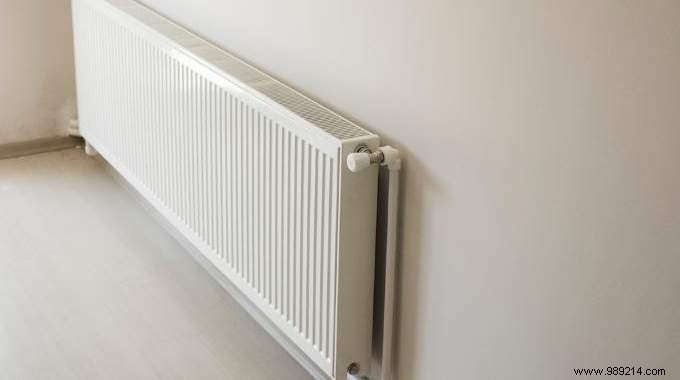
As October approaches, we'll soon turn the heating back on—a simple step with big implications for your family's health. Calculating the right heat and humidity levels for each room ensures comfort and well-being.
Being too cold is uncomfortable, but excessive heat strains breathing and fatigues the body, especially from artificial sources. In my years managing home environments, I've found that comfort means light layers like a T-shirt and wool—not shorts indoors.
I maintain a steady 20°C daytime temperature across all rooms, with doors open for even air circulation.
In the bathroom, I raise it to a maximum of 23°C for bathing infants or children, then return to 20°C and ventilate thoroughly.
For optimal sleep, aim for 17–19°C at night under a duvet or blanket. Lower the heat in the evening—even during illness, excess warmth prolongs fevers and congestion.
Medical guidelines recommend 40–60% relative humidity. Levels below this dry out nasal passages, leading to stuffiness and respiratory issues. I've noticed it firsthand upon waking with a dry, clogged nose.
Conversely, high humidity paired with elevated temperatures causes discomfort, fatigue, and migraines.
Consistent temperatures handle much of the battle. I use a weather station to monitor trends and indoor humidity precisely.
For low humidity: Hang laundry to air-dry, place water cups near radiators (refresh daily; add eucalyptus oil drops during colds—Amazon). If needed, invest in a humidifier (Amazon).
For high humidity: Ventilate frequently to refresh air. A dehumidifier helps if issues persist.
These proven strategies, drawn from real-world experience, promote healthier homes. Share your tips in the comments!
