Rainwater harvesting provides a cost-effective, eco-friendly water source, but strict regulations ensure safe use. In our region, specific laws outline prohibitions, requirements, and permitted applications to safeguard public health.
Harvesting rainwater is a smart, sustainable practice. Every effort to conserve water counts—for the environment and your budget. However, health safety demands careful handling. The Decree of August 21, 2008, on rainwater recovery and use in and around buildings explicitly prohibits food-related applications. This means no drinking, cooking, dishwashing, or vegetable rinsing.
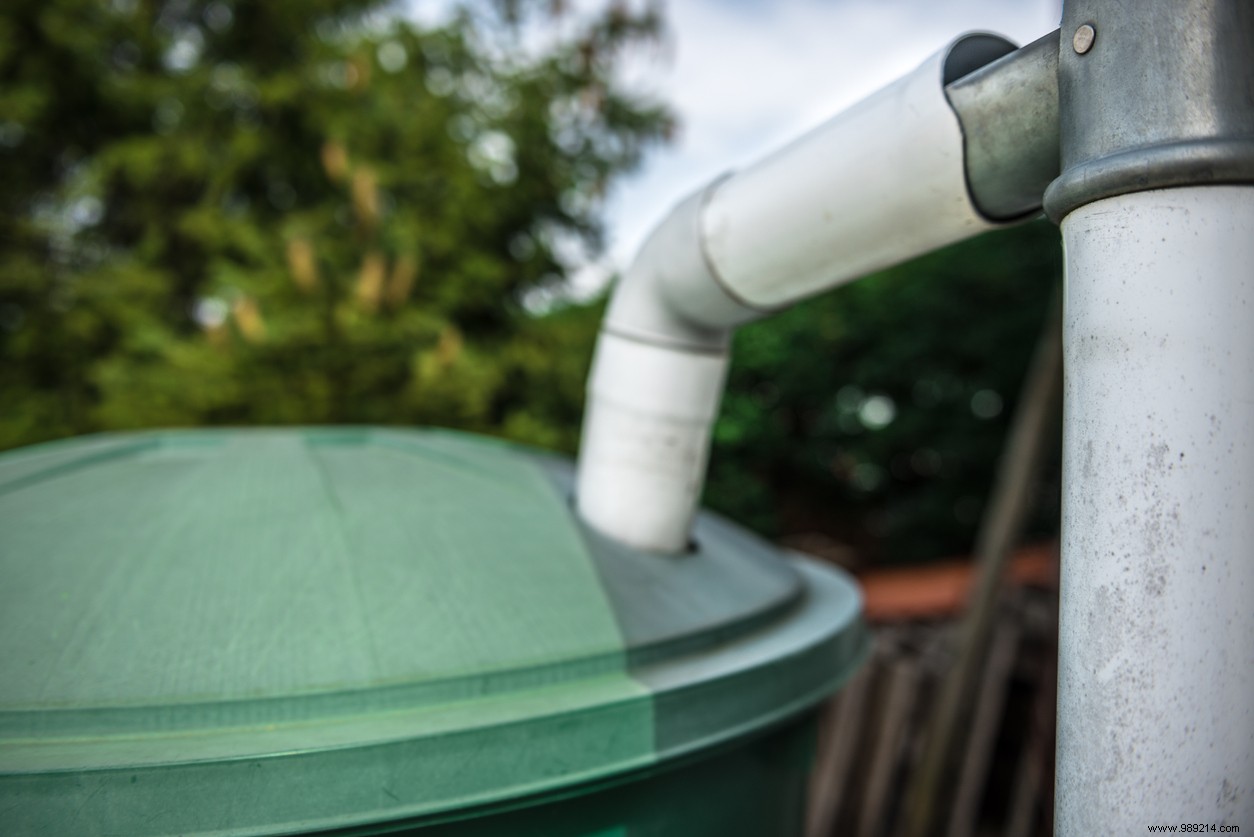
Why the restrictions? Authorities recognize inherent health risks. As rainwater flows over roofs, it can pick up chemical pollutants. Storage in tanks risks bacterial or parasitic contamination.
Rainwater is naturally acidic due to dissolved carbon dioxide (CO2) and may contain nitrogen oxides (NOx) and sulfur dioxide (SO2) from fossil fuel emissions. Boiling or basic disinfection won't eliminate resilient bacteria or parasites.
The solution for potable water? A specialized tank with advanced treatment systems. Absent that, stick to non-potable uses: watering gardens, lawns, fruits, and vegetables; flushing toilets; cleaning floors or cars; filling pools. Laundry is allowable under certain conditions.
