Urban dwellers know the common house fly all too well, but its rural cousin—the stable fly (Stomoxys calcitrans)—poses a far greater threat to those in the countryside.
Spring and summer bring flies everywhere, but in rural settings, the stable fly, also called the "stomox" or "stable fly," dominates. Unlike house flies, it bites and sucks blood from both males and females. When blood isn't available, it survives on nectar and pollen. Its bites cause itchy welts that last about a week—far longer than the 2-3 days from mosquito bites.
Stable flies thrive in the countryside, basking on tree trunks, fences, walls, and grass. They're drawn to farms where manure and dung abound in barns, sheepfolds, and stables. Eggs laid there hatch into coprophagous larvae.
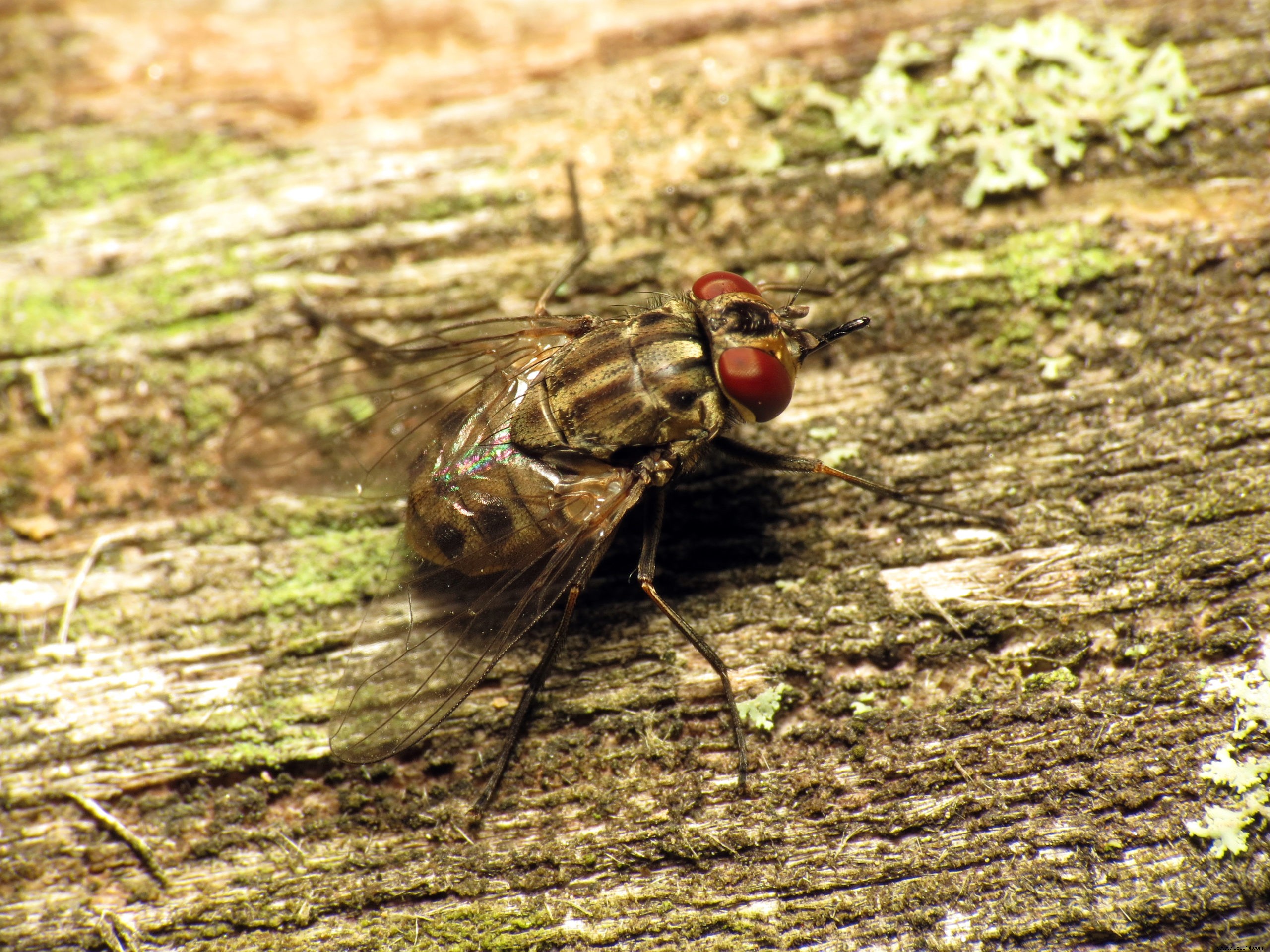
Stable fly bites carry real risks for humans and animals alike. These insects transmit diseases, including equine infectious anemia virus to horses and cattle. Constant harassment causes stress, disrupts rest, and reduces feeding in livestock.
In a 2018 study highlighted by entomologist Gérard Duvallet from the Center for Functional and Evolutionary Ecology (CEFE), researchers on a cattle farm in Reunion Island calculated that during outbreaks, stable flies drain about one liter of blood per day per cow.
Breeders dread anthrax (or splenic fever), caused by Bacillus anthracis. Treatable with under 1% mortality when caught early, untreated cases lead to fatal sepsis.
