For the first time in modern Olympic history, the Tokyo Games unfolded without spectators. This unprecedented atmosphere has raised questions: did the absence of crowds truly affect athlete performance?
Amid the COVID-19 resurgence and Delta variant, Japanese authorities barred fans from the Tokyo Olympics. Since the modern Games began in 1896, this marked a historic first. While spectators missed the subdued opening ceremony, athletes faced unique challenges.
Athletes aren't alone in adapting. Earlier, the English Premier League and La Liga piped in FIFA 20 crowd noises, and some sports used cardboard cutouts. Tokyo organizers skipped these, prompting questions about performance effects.
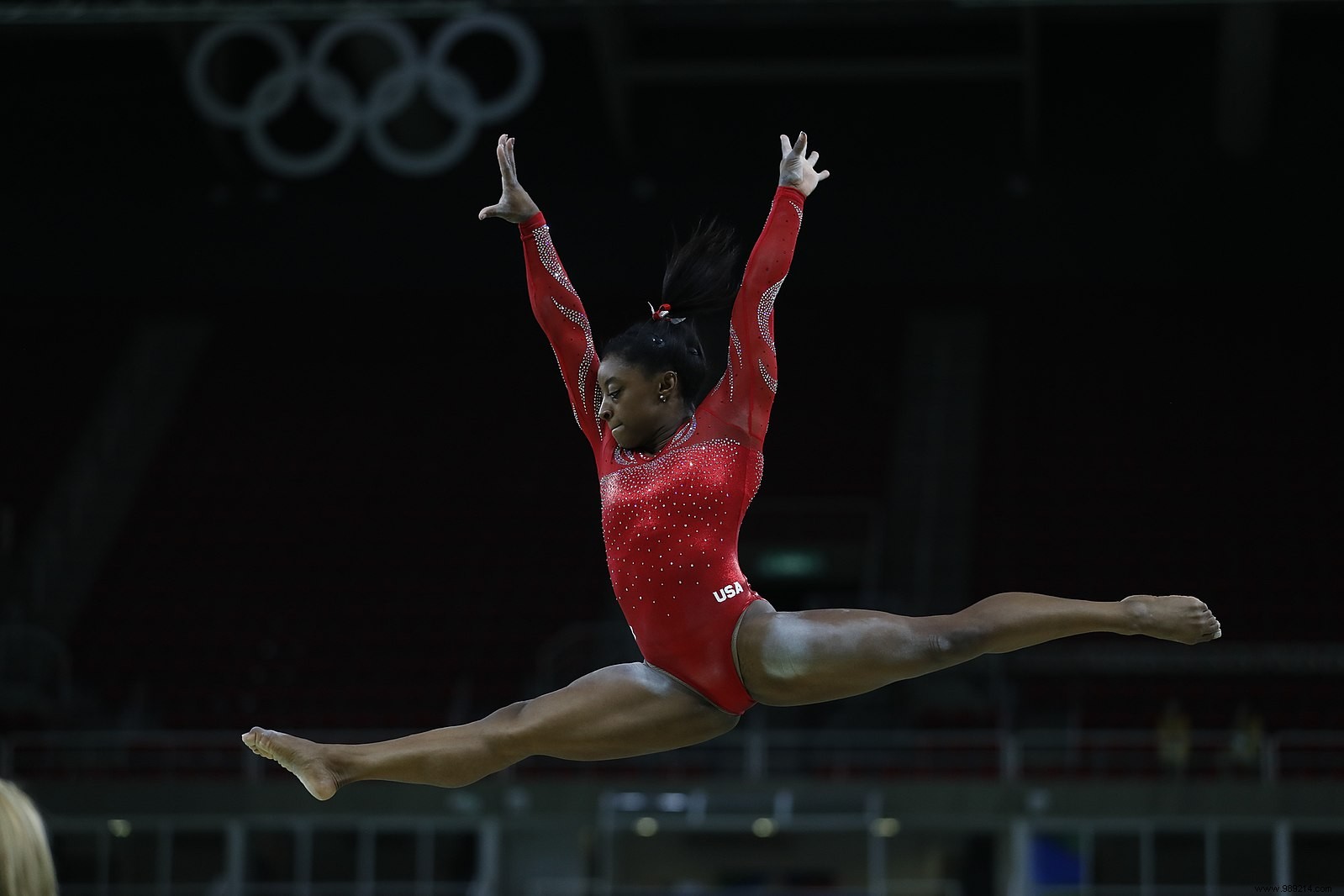
These odd conditions added pressure, as seen with Simone Biles, widely regarded as gymnastics' greatest. She withdrew from the women's team event, donning a white tracksuit to support her teammates.
Biles cited "old demons" and anxiety, but the Games' atmosphere factored in. "It was really stressful these Olympics," she told the Washington Post. "Overall, without an audience. There are a lot of different variables that come into play."
Such struggles may be widespread. "On the pitch, wherever their competition is, players have this uncertainty. They are faced with a situation they did not know before," UK sports psychologist Louise Byrne told Scientific American. The abrupt spectator ban amplified the ambiguity.
Jamey Houle, sports psychologist at Ohio State University Athletics and former gymnast, highlights visualization techniques. Athletes mentally rehearse actions to strengthen neural pathways and activate the motor cortex.
They simulate real conditions closely. "In preparation for Tokyo, some athletes trained with fake crowd noise before the ban," Houle notes. "Empty stadiums could thus have a measurable impact on performance."
This ties to "social facilitation," where others' presence boosts skilled performers. Elite athletes excel more with crowds; weaker ones falter.
"If there is a lack of audience, then theoretically you should have a generalized level of performance not as high as before," says Daniel Wann of Murray State University. Fewer records and narrower gaps between athletes might follow.
Empty venues alter acoustics too—sounds travel farther, letting athletes overhear referees or coaches, potentially disrupting focus.
