As India contends with a massive COVID-19 surge, mucormycosis—commonly called 'black fungus'—is striking recovering patients. Frontline doctors are alarmed, with multiple cases leading to eye loss.
The World Health Organization (WHO) has detected India's variant in 44 countries. India reports over 23.7 million SARS-CoV-2 cases and nearly 260,000 deaths. Amid this wave, as noted in a BBC article from May 9, 2021, recovering COVID-19 patients are vulnerable to mucormycosis, a rare but life-threatening fungal infection from Mucorales fungi ubiquitous in soil, plants, animals, and food. Humans routinely inhale their spores without issue.
Mucormycosis ranks as the third most common invasive fungal infection after candidiasis and aspergillosis. It primarily affects those with weakened immunity, where untreated mortality reaches about 70%.
This mycosis typically invades facial sinuses, throat, and lungs, causing tissue destruction, infarctions, and thrombosis. It can spread via the bloodstream to the brain and eyes, presenting with pain, fever, necrosis, pus, and organ damage.
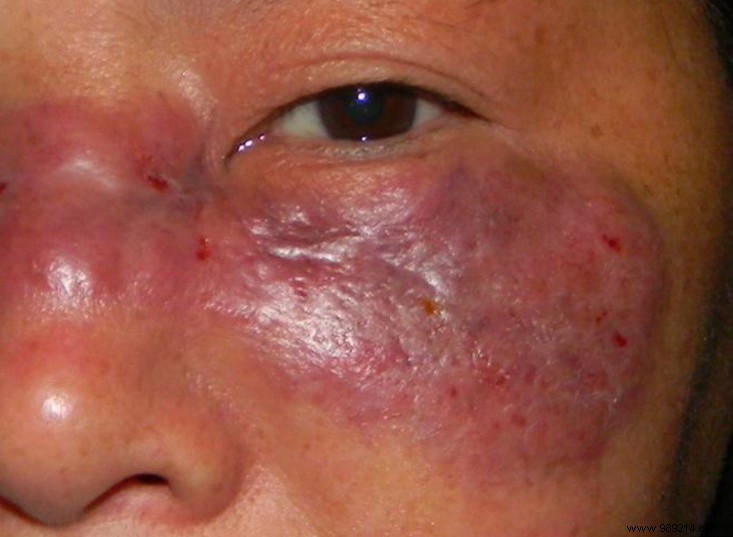
At Mumbai's Sion Hospital, Dr. Nair recently treated 40 mucormycosis cases—compared to fewer than a dozen in the prior two years. All had COVID-19 within two weeks prior. Among them, 11 required eye amputation. Many had diabetes-related ketoacidosis and received corticosteroids, which suppress immunity while treating COVID-19. Doctors link this combination to heightened risk.
