Traveling to Mars poses profound challenges to the human body, as demonstrated by the Mars500 experiment. This groundbreaking simulation of a round-trip mission highlighted significant impacts on participants' gut microbiota.
Discussions around future Mars missions often center on propulsion technologies or planetary settlement, yet astronaut health remains a critical concern. With SpaceX eyeing a crewed mission as early as 2026, many physiological questions persist.
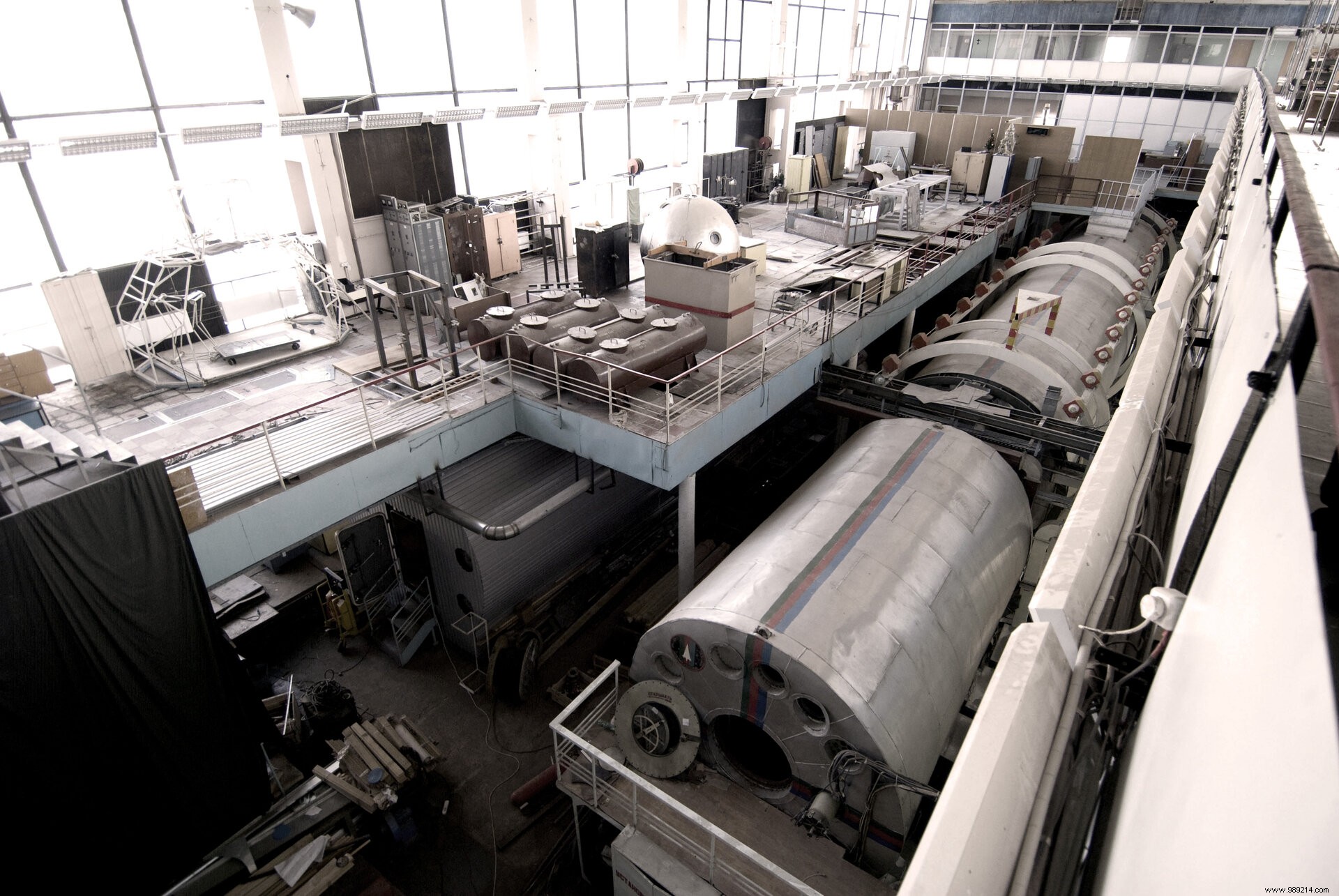
The Mars500 experiment (2010-2011), a Russian-led program supported by the European Space Agency (ESA), isolated six crew members in a confined habitat for 520 days, mimicking a Mars round trip. This setup enabled detailed analysis of physiological and psychological effects.
All participants emerged in good overall health, but extended isolation altered their physiology. A recent study in Computational and Structural Biotechnology Journal by University of Montreal researchers re-examined stool samples, revealing shifts in participants' intestinal flora (microbiota).
From 408 bacterial genomes analyzed, 213 were shared across all six astronauts, guiding the focus. Post-experiment, sixteen bacterial species proliferated in their guts—mostly obscure strains with unknown roles. Notably, Streptococcus thermophilus, common in milk fermentation, increased. Conversely, around fifteen well-studied species declined, including those tied to insulin metabolism, resistant starch breakdown, and anti-inflammatory functions.
Post-mission checkups revealed intestinal inflammation and insulin resistance in participants—issues absent at the start. This Canadian analysis provides the first evidence that prolonged confinement disrupts human microbiota, a key factor for planning Mars colonization.
