Found in 50% of South Asians and 16% of Europeans, a Neanderthal-inherited chromosome segment triples the risk of severe respiratory distress from COVID-19, reveals a study from leading geneticists.
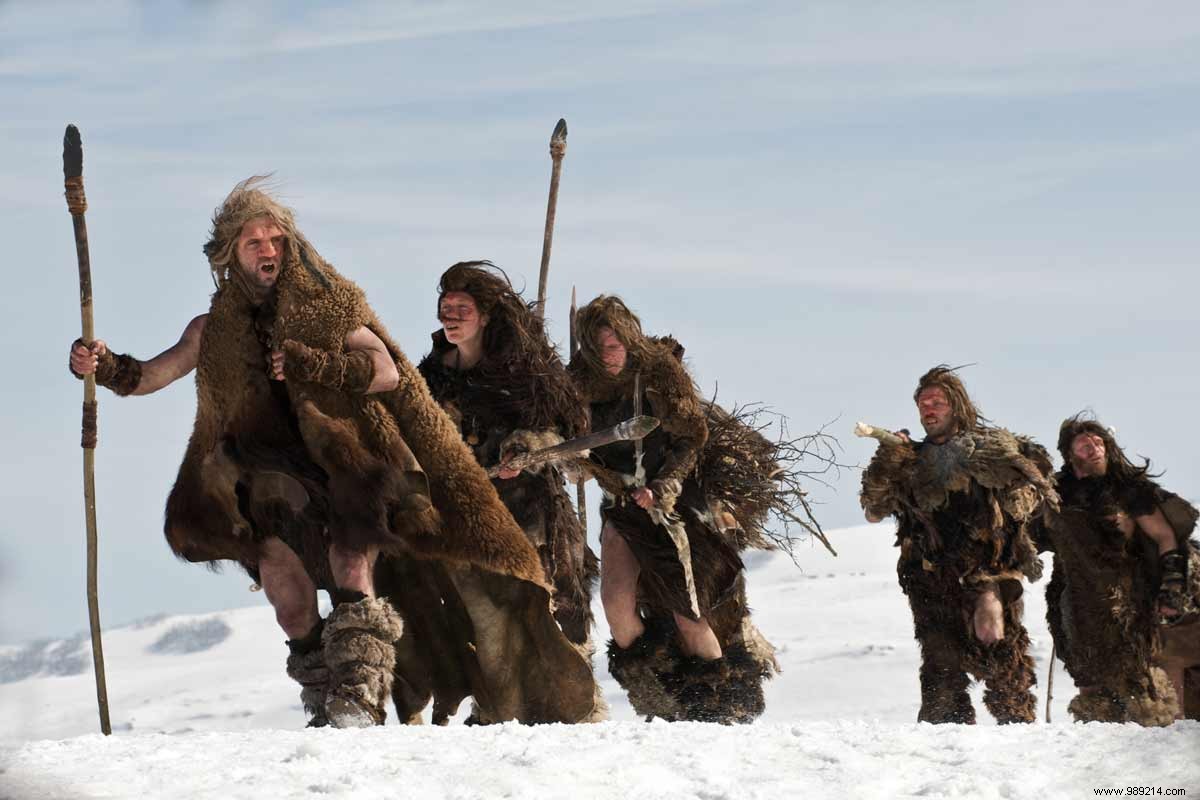
Long thought to have dispersed from Africa around 60,000 years ago, modern humans likely ventured into Eurasia earlier—between 70,000 and 120,000 years ago. There, they encountered Neanderthals, who had inhabited the region for over 200,000 years. This led to interbreeding, leaving a trace of Neanderthal DNA in modern humans.
Genetic research shows that non-African populations carry about 1.5% Neanderthal DNA in Europeans and 1.7% in Asians. Even up to 0.3% has been detected in people of African descent.
These ancient genes continue to shape human health. As evolutionary geneticist John Capra noted in Science in 2016: “We have found associations between Neanderthal DNA and a wide range of traits, including immunological, dermatological, neurological, psychiatric, and reproductive conditions.”
Neanderthal genetic variants may explain some severe COVID-19 cases. Published in Nature this week, research by Svante Pääbo of the Max Planck Institute for Evolutionary Anthropology (Germany) and Hugo Zeberg of the Karolinska Institute (Sweden) identifies a key culprit.
While age and comorbidities influence severity, genetics matters too. The COVID-19 Host Genetics Initiative pinpointed variants on chromosome 3 linked to worse outcomes.
This study reveals those variants are nearly identical to ones in a 50,000-year-old Neanderthal from Croatia. Neanderthals passed this DNA segment to modern humans around 60,000 years ago during encounters in Eurasia.
Carriers of this Neanderthal fragment face a threefold higher risk of SARS-CoV-2-induced respiratory failure. The variant occurs in 50% of South Asians and 16% of Europeans, but is rare in Africa.
The exact mechanism remains unclear. “This must now be investigated as soon as possible,” concludes Svante Pääbo.
