Brazil has become the epicenter of the COVID-19 pandemic in recent weeks. In an unprecedented move, the Brazilian Ministry of Health has advised women to delay pregnancy plans as long as possible.
Brazil ranks among the top three most affected countries worldwide, alongside the United States and India, with over 373,000 lives lost to the SARS-CoV-2 virus. The highly contagious and virulent P1 variant—known as the "Brazilian variant"—poses greater risks, including potential vaccine resistance. Reuters reported on April 17, 2021, that this strain may impact pregnant women more severely than earlier variants.
The previous day, Raphael Parente, Secretary of Primary Health Care at the Brazilian Ministry of Health, made this historic recommendation during a press conference. He urged women to postpone pregnancy plans until conditions improve, allowing for a calmer experience.
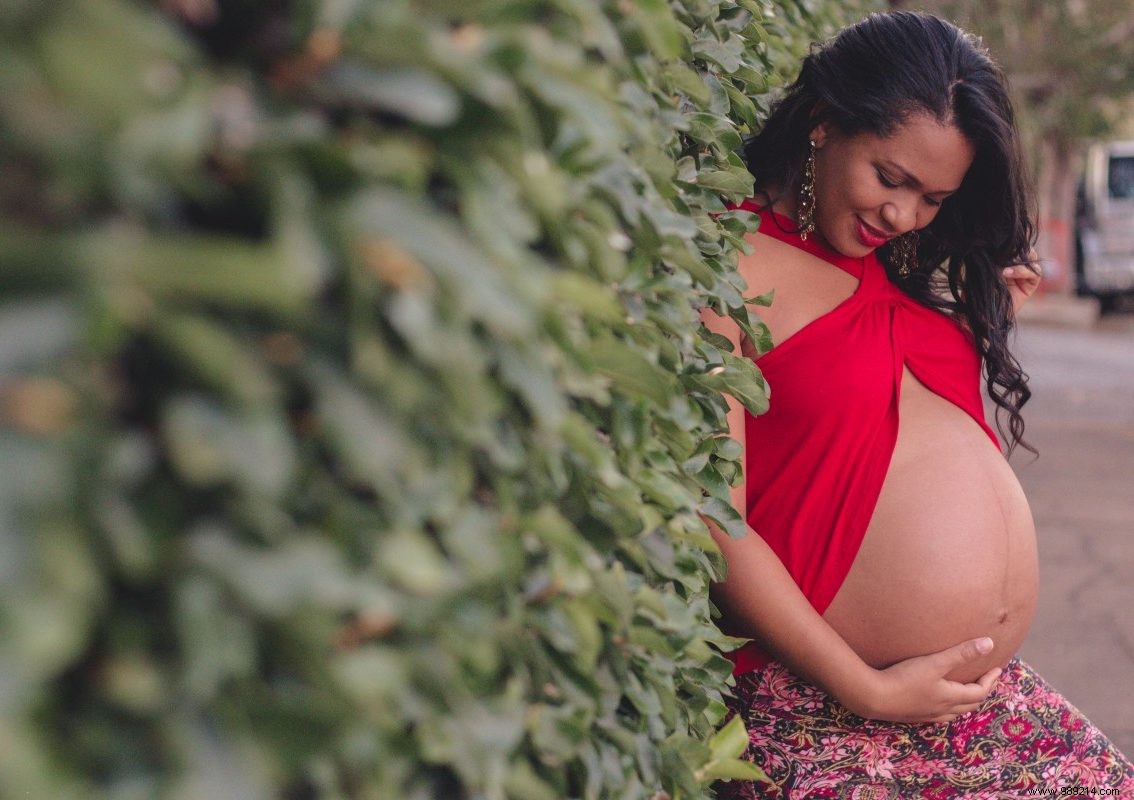
This guidance comes as Brazil's hospitals near collapse. A local study (pending peer review) found the P1 variant has 1.8 to 2.6 times higher transmissibility and 1.1 to 1.8 times greater virulence compared to standard SARS-CoV-2 strains. It documented severe cases in women during their first and second trimesters.
The variant disproportionately affects younger people: by March 2021, over half of ICU patients were 40 or younger. Questions remain about whether heightened mortality in this group stems from the variant's virulence or increased exposure. Notably, Brazil lacks unified national coordination on social distancing or restrictions.
President Jair Bolsonaro continues to oppose lockdowns and hosts large events without protective measures. The vaccination rollout faces delays, compounded by hospital overloads, vaccine shortages, and scarcities of essential drugs.
