Over the past decade, France significantly depleted its strategic reserves of protective masks. This timeline outlines key events that raise serious questions about national preparedness amid the COVID-19 pandemic.
On March 22, 2020, LVMH pledged 10 million protective masks, while Bouygues offered 1 million. The government placed an order for 250 million masks, to be delivered in phases. Despite this, weekly needs reached 24 million masks.
A pressing question remains: how did France face such rapid shortages? As France Inter reported, former Health Minister Agnès Buzyn assured in late January 2020 that the country would avoid shortages during a COVID-19 outbreak.
Yet, on March 4, 2020, President Emmanuel Macron ordered the requisition of all private stocks and production to prioritize infected patients and healthcare workers. Two weeks later, Health Minister Olivier Véran stated that state reserves held 110 million masks—down from over a billion just a decade earlier.
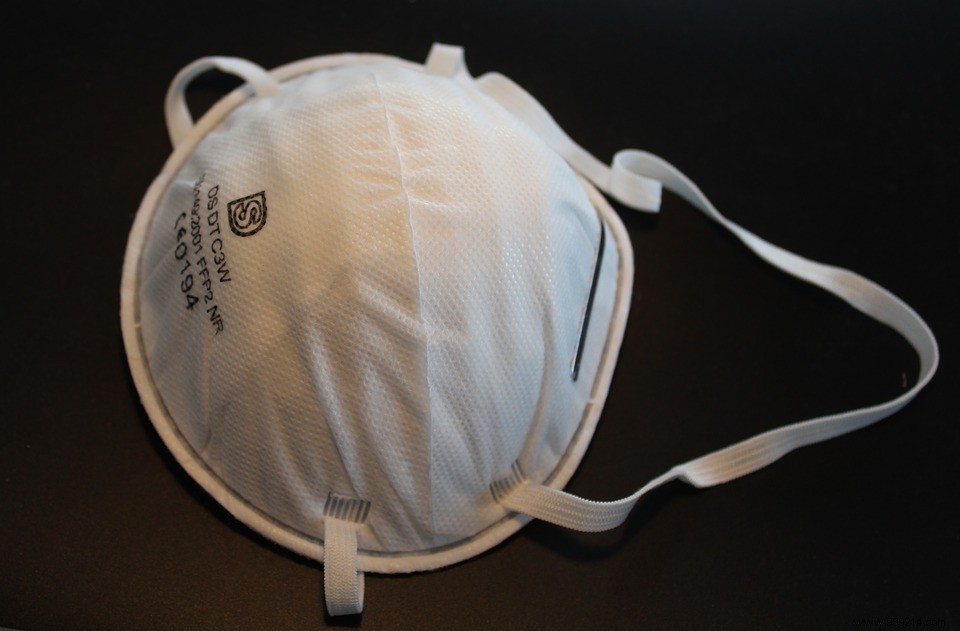
The effort began in 2005 amid fears of an H5N1 avian flu pandemic. Prime Minister Xavier Bertrand visited China and Vietnam to study protective measures. With President Jacques Chirac's backing, France amassed vast stockpiles, securing a third of global annual production and ranking among the world's best-prepared nations per capita.
In 2009, during the H1N1 influenza A epidemic, Health Minister Roselyne Bachelot managed stocks of 1 billion surgical masks and 900 million FFP2 masks. Despite criticism for over-ordering masks, vaccines, and antivirals, reserves stood at 1.4 billion masks by the end of Bertrand's term in 2011.
Subsequent years saw what many view as a systematic dismantling of public health defenses through budget constraints. A pivotal shift occurred in 2013 when the General Secretariat for Defense and National Security (SGDSN) revised its doctrine on respiratory disease protection, deeming FFP2 masks costlier and less comfortable than surgical ones.
Mask management was increasingly delegated to employers, including hospitals. Stocks plummeted: 900 million in 2012, 700 million by 2017. The 2016 health system modernization law transferred responsibilities from the effective EPRUS to Public Health France, whose pharmaceutical unit proved less adept. Ultimately, budget-driven decisions left the state vulnerable to health risks.
