In a recent column, French nutritherapist Jean-Paul Curtay compared paracetamol to cannabidiol (CBD) for managing chronic pain. While paracetamol ranks among the world's most prescribed drugs, CBD remains an emerging option in France.
Let's examine these two options. Paracetamol, a synthetic compound used as an analgesic (pain reliever) and antipyretic (fever reducer), is one of the most commonly prescribed medications globally. In France, Doliprane is the household name, with more than 100 million boxes sold annually.
On the other side is cannabidiol (CBD), one of many cannabinoids found in hemp. Unlike THC, CBD produces no psychoactive effects. In France, retailers are proliferating amid regulatory ambiguity, offering dried flowers, resins, oils, and derivatives.
This matchup appeared in a We Demain column on January 6, 2021, penned by Jean-Paul Curtay, a nutritherapist, author, and member of the Center de Formation en Nutrithérapie et Phytothérapie Appliquée (CFNA) in Namur, Belgium.
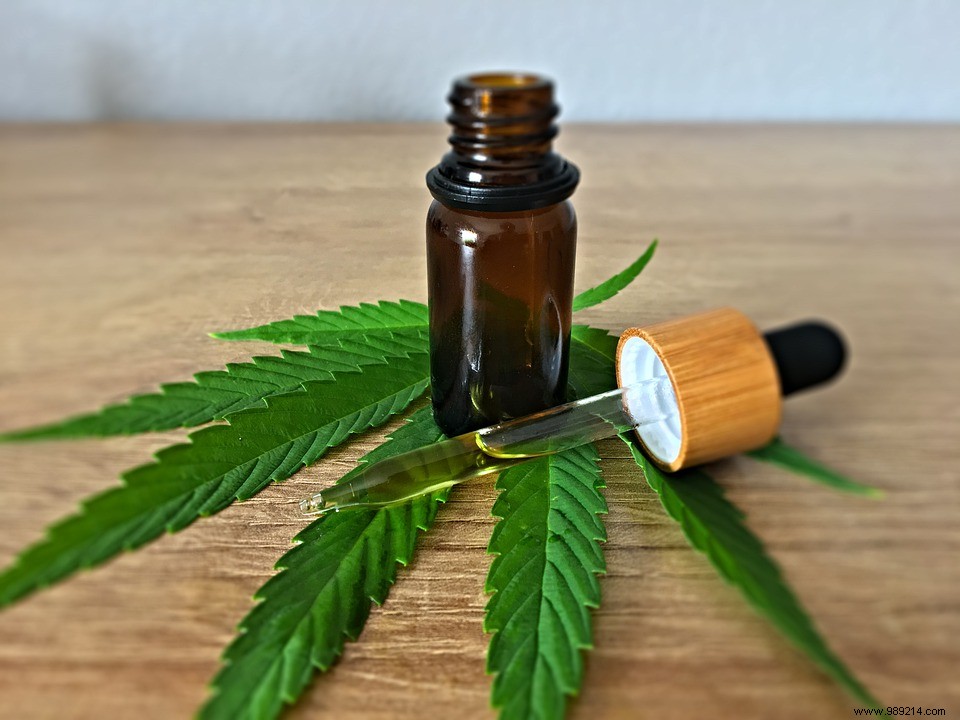
Curtay highlights that analgesics and anti-inflammatories like ibuprofen rank among the top causes of drug-related deaths, often from overdoses. With 12 million French people enduring chronic pain, he positions CBD as a compelling alternative to paracetamol. A French trial for "medical cannabis" (CBD-THC combinations) was set to launch in January 2021, involving 3,000 patients—paving the way for doctor prescriptions.
Backed by numerous studies, CBD demonstrates anti-inflammatory, analgesic, and anti-nausea benefits. Therapeutic cannabis is already authorized in half of U.S. states, Canada, Israel, and parts of Europe and South America.
Its potential extends further, potentially easing neuropathic pain from nerve damage, muscle spasticity in multiple sclerosis or stroke patients, epilepsy, and symptoms in palliative care.
