The countryside often gets praised for its superior quality of life, thanks to cleaner air and peaceful surroundings. Yet, a recent study reveals urban residents may have the edge in life expectancy. Here's why.
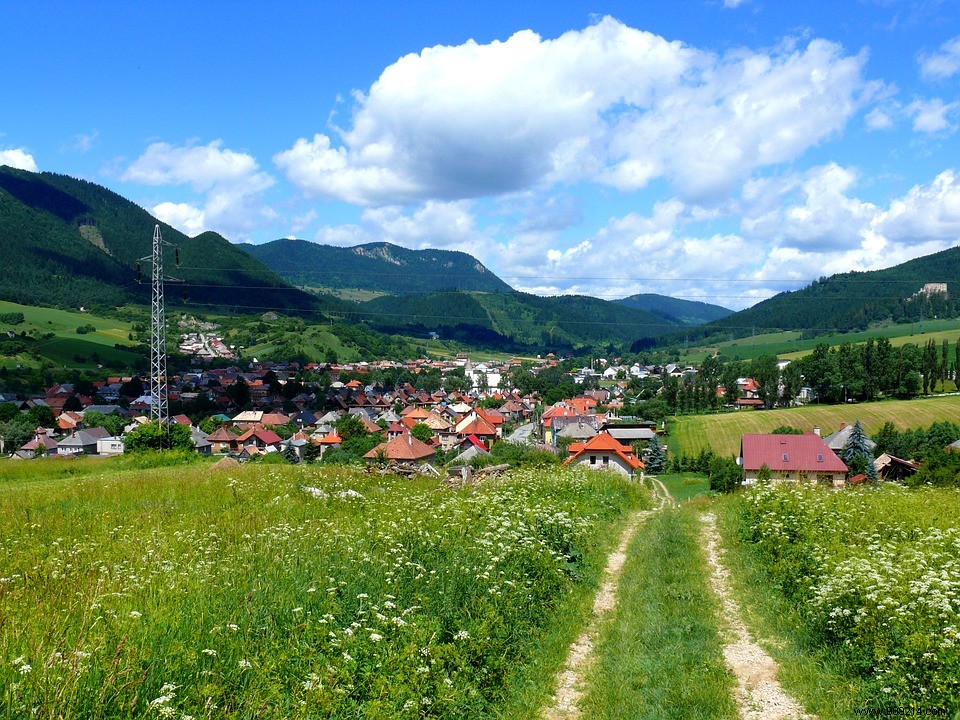
Platforms like Paysans.fr highlight rural living's health benefits, including fresh air, minimal traffic noise, open spaces, abundant greenery, and easy access to outdoor activities like forest walks, cycling, or horseback riding. However, car dependency for daily errands poses a challenge due to greater distances.
Despite these perks, rural life lags in life expectancy compared to cities. This insight comes from geographer and historian Emmanuel Vigneron's study, commissioned by the Association of Rural Mayors of France (AMRF) and reported by France 3 Occitanie on December 17, 2020.
Focusing on hyper-rural departments like Ariège, Cantal, and Lozère—where population density is extremely low—the research shows men live 2.2 years less than urban men (0.9 years less for women). In 2019, male life expectancy in these areas was 78.5 years versus 80.7 in cities. Notably, these disparities have widened over the past 30 years; in 1990, rural men trailed urban men by just 0.3 years.
Dominique Dhueux, AMRF vice-president, attributes the growing divide to the closure of local medical centers over the last two decades, leading to doctor shortages. Rural residents face delayed care and a vicious cycle: fewer doctors mean less hospital referrals, resulting in undertreatment compared to city dwellers.
Vigneron's analysis supports AMRF proposals like expanding telemedicine and incentivizing young doctors to practice in rural areas—though appeal is uncertain. A promising avenue: 25% of physicians joining the Order of Physicians in 2010 trained abroad.
