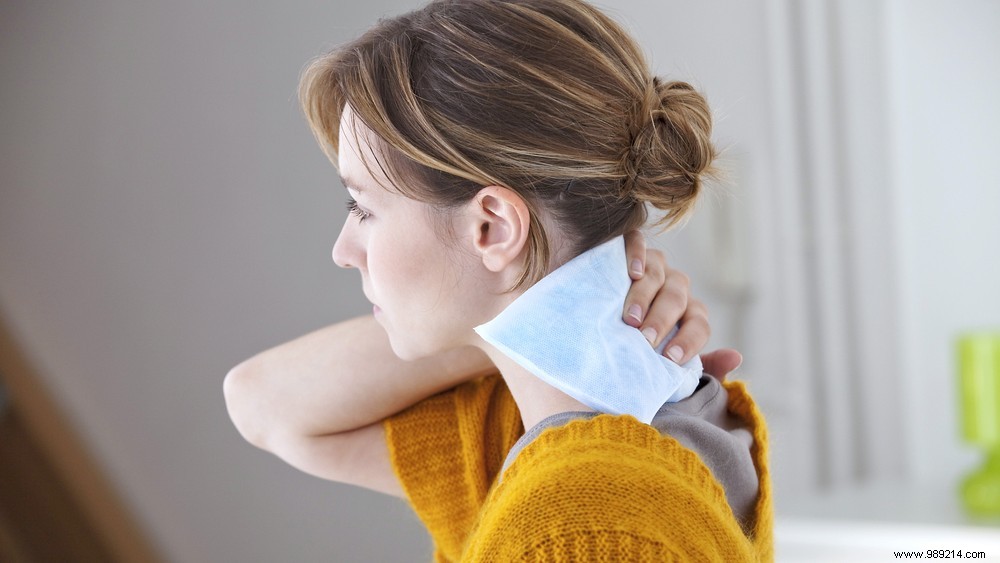
Fever, bruising, cramping: knowing when to apply cold packs or heat therapy can make all the difference in managing discomfort effectively.
After a fall causing muscle soreness, should you reach for frozen peas or a hot water bottle? Both cold and heat therapies offer proven pain relief, but choosing wisely depends on the issue. As experienced in physical therapy practices, cold is ideal for acute injuries involving swelling or inflammation, constricting blood vessels to minimize fluid buildup. Heat excels for chronic muscle tension or stiffness, promoting relaxation and improved circulation.
For throbbing headaches like migraines, both therapies can help, but personalization is key. Experiment to see if cooling your forehead or warming tense neck muscles feels better. Migraines often involve neck tension; here, heat boosts blood flow and eases muscles, drawing from clinical insights on tension relief.
Swollen ankles and heavy, fatigued legs signal poor venous circulation. A cold shower contracts blood vessels, propelling blood forward and temporarily elevating pressure for renewed energy—a technique endorsed by vascular health experts.
Intense workouts can lead to lactic acid buildup, outpacing blood and oxygen delivery, causing soreness. While nutrition aids recovery, a targeted massage warms the area, enhances circulation, and flushes out lactic acid more effectively than surface heat alone.
Fresh wounds trigger swelling, pain, redness, and warmth from natural inflammation. Cold therapy numbs the area by narrowing vessels, akin to chilled fingers blanching, reducing fluid accumulation and pressure for faster relief.
Cramps strike anytime—even in sleep—when muscle fibers contract simultaneously due to nerve overload from cold exposure, oxygen shortages, or magnesium deficiency. Stretch the muscle first; follow with a gentle massage for optimal relief.
Cold numbs irritated mucous membranes effectively, such as with ice water. Skip acidic cold treats like ice cream or citrus juices, which can worsen irritation.
Read also: 5 tips to soothe a sore throat
Overloaded joints from heavy lifting or workouts benefit from heat via warm baths or hot packs, relaxing tissues. Caution: if the joint is red and warm, indicating inflammation, opt for cold to avoid exacerbating it.
For burns from hot liquids, fire, or chemicals, run lukewarm water over the area for 5-10 minutes, per Burns Foundation guidelines. Avoid ice-cold water, which hinders proper cooling and risks hypothermia.
During flu recovery, lighter bedding helps regulate body temperature naturally. If shivering, add a temporary thicker layer for comfort.
